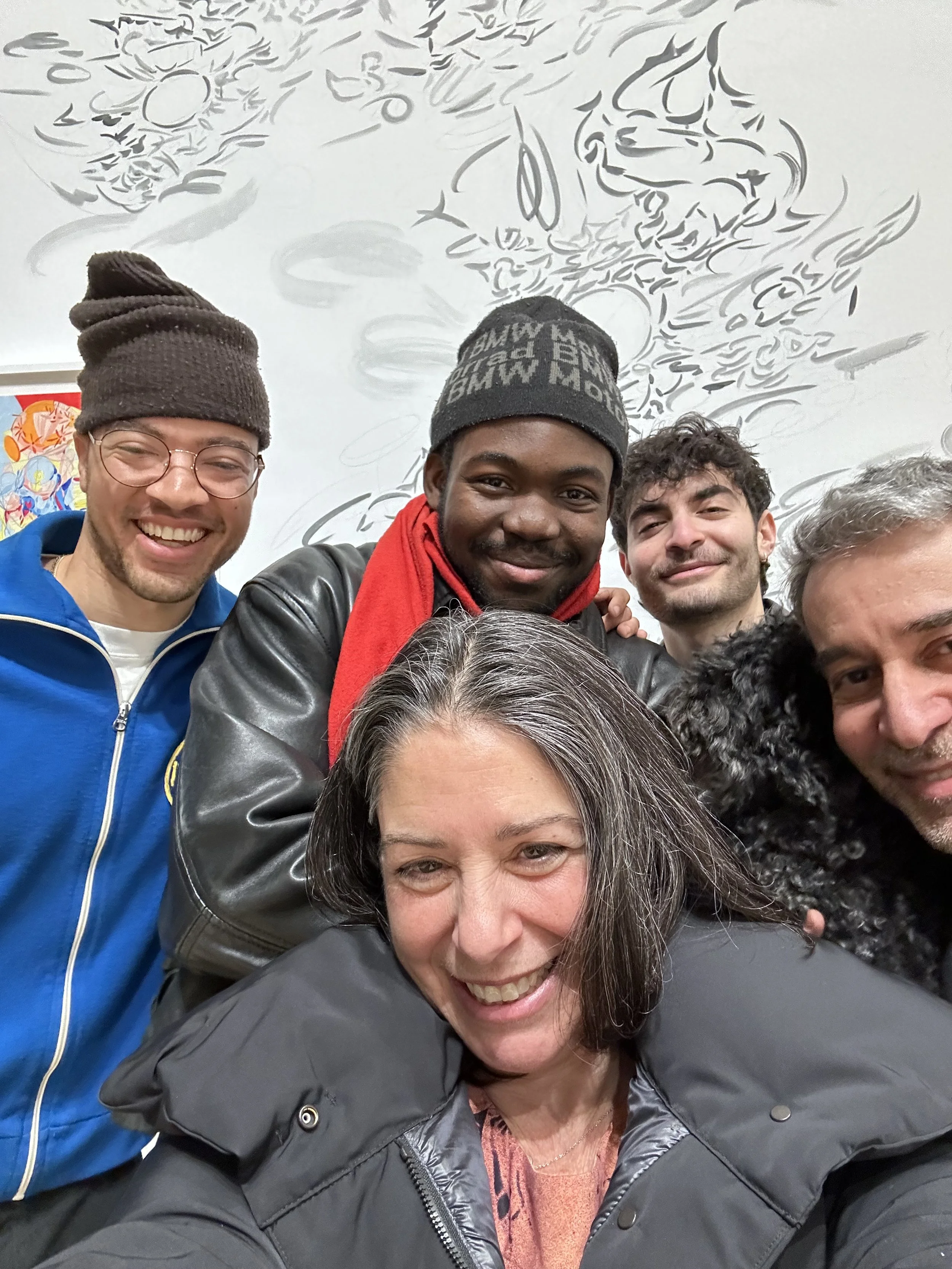
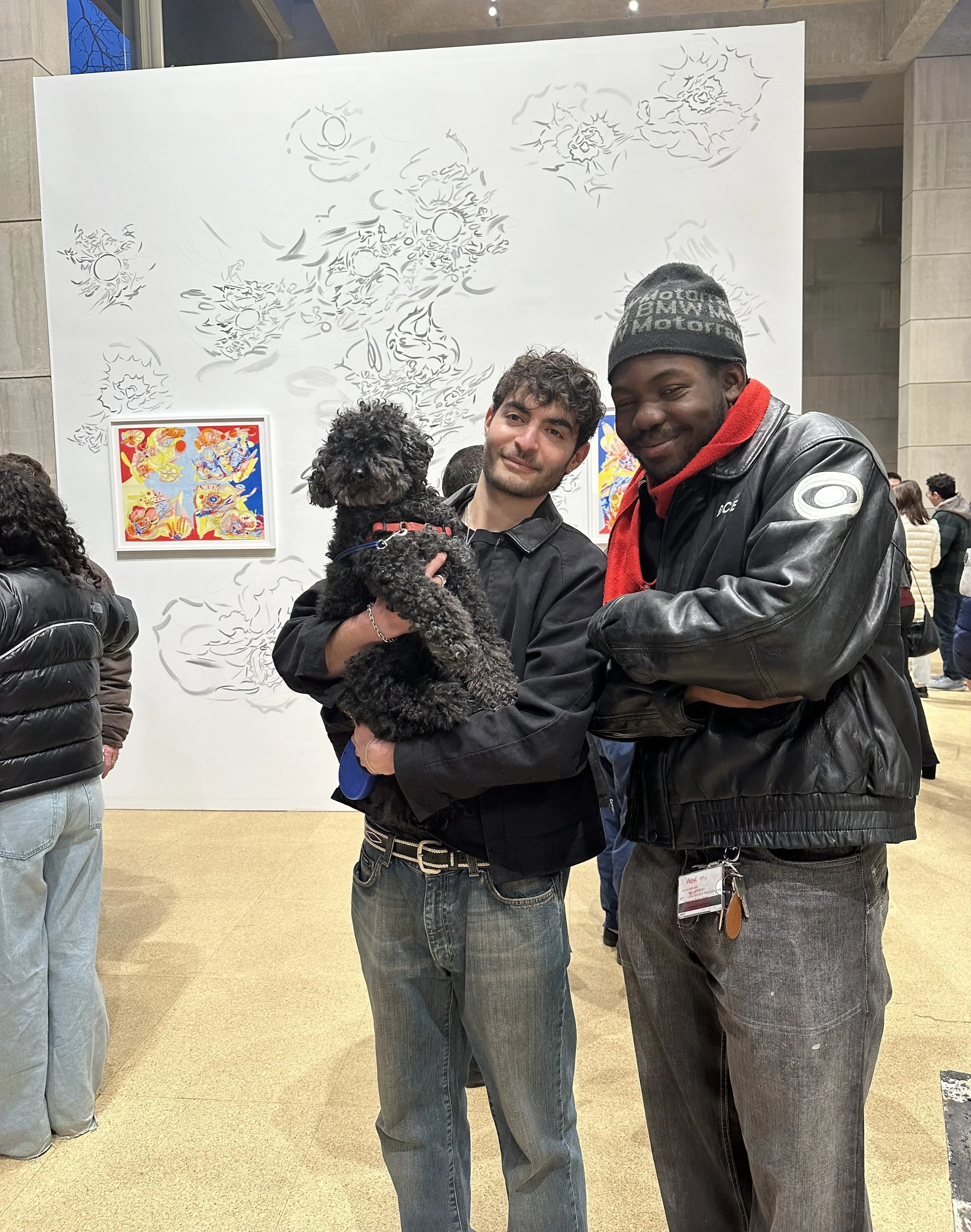
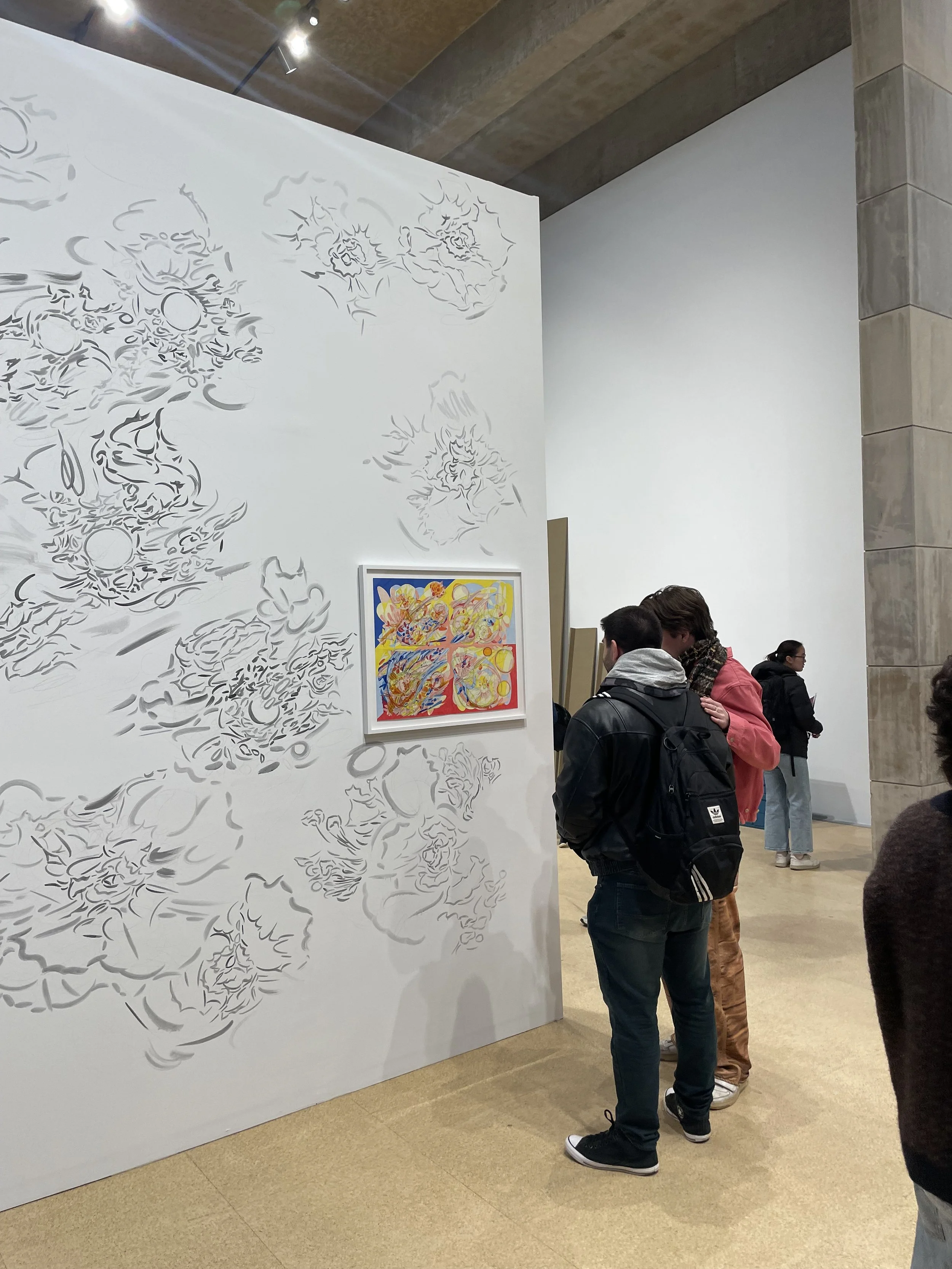
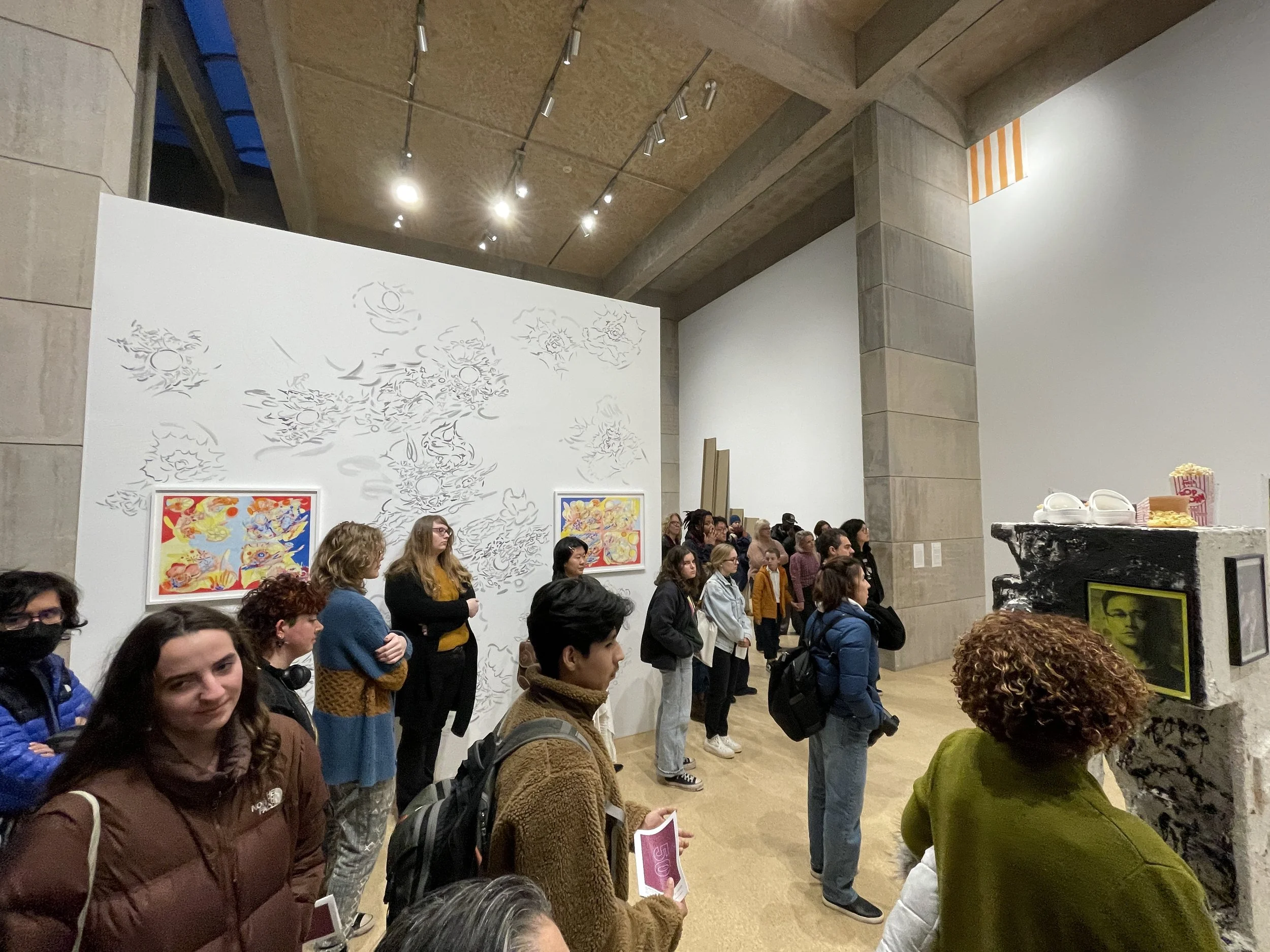
Volitia at The Shirley Fiterman Art Center, NYC

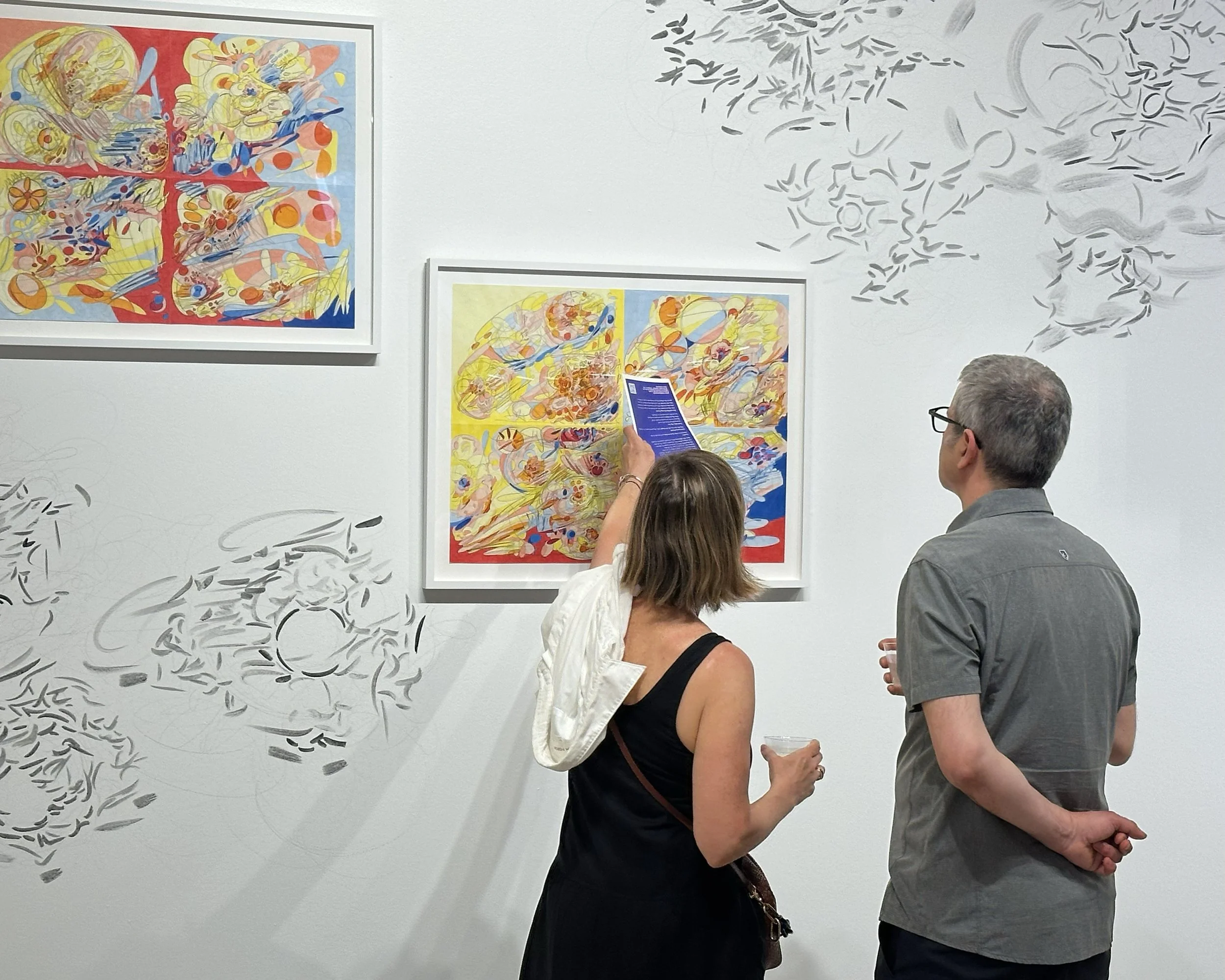
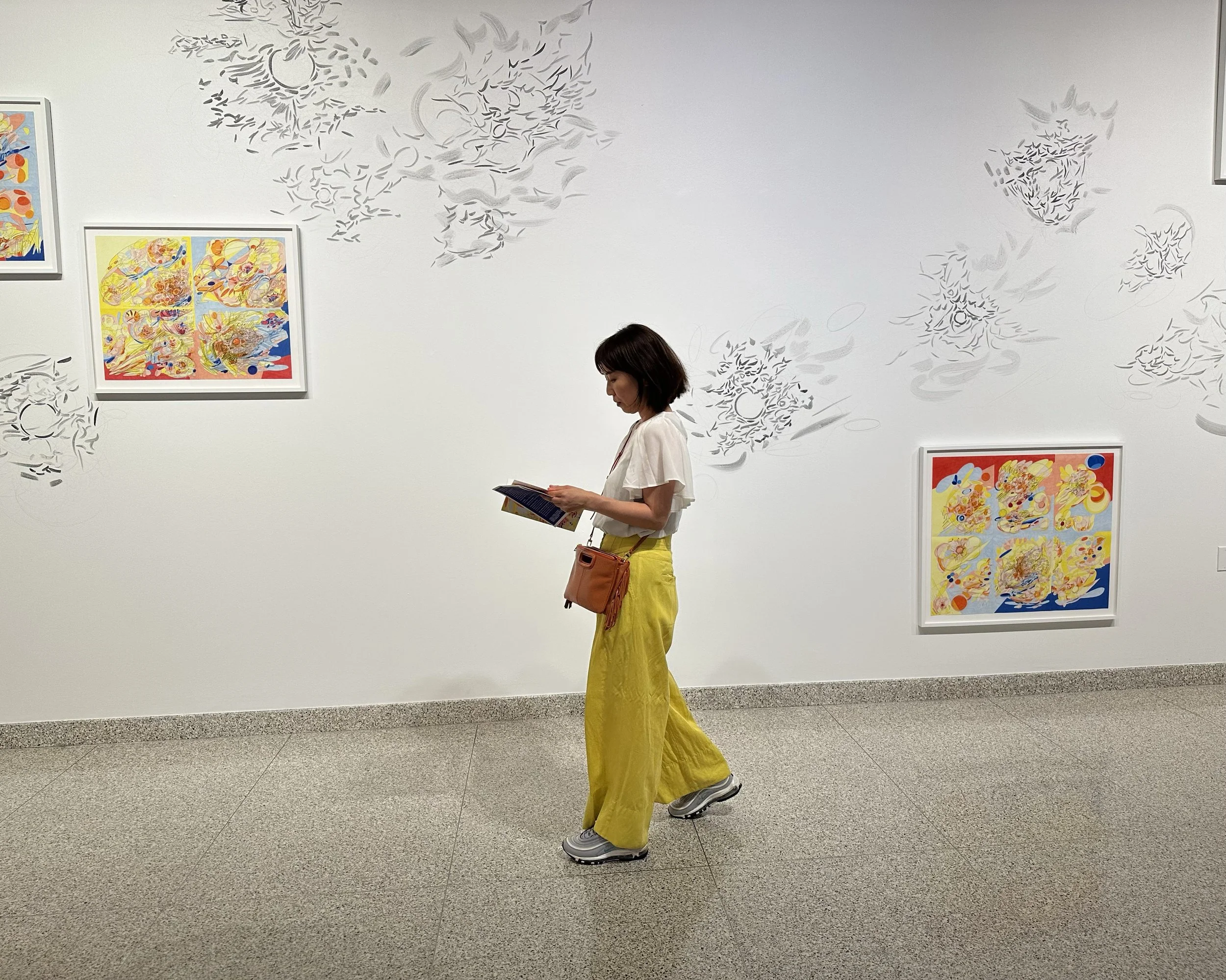
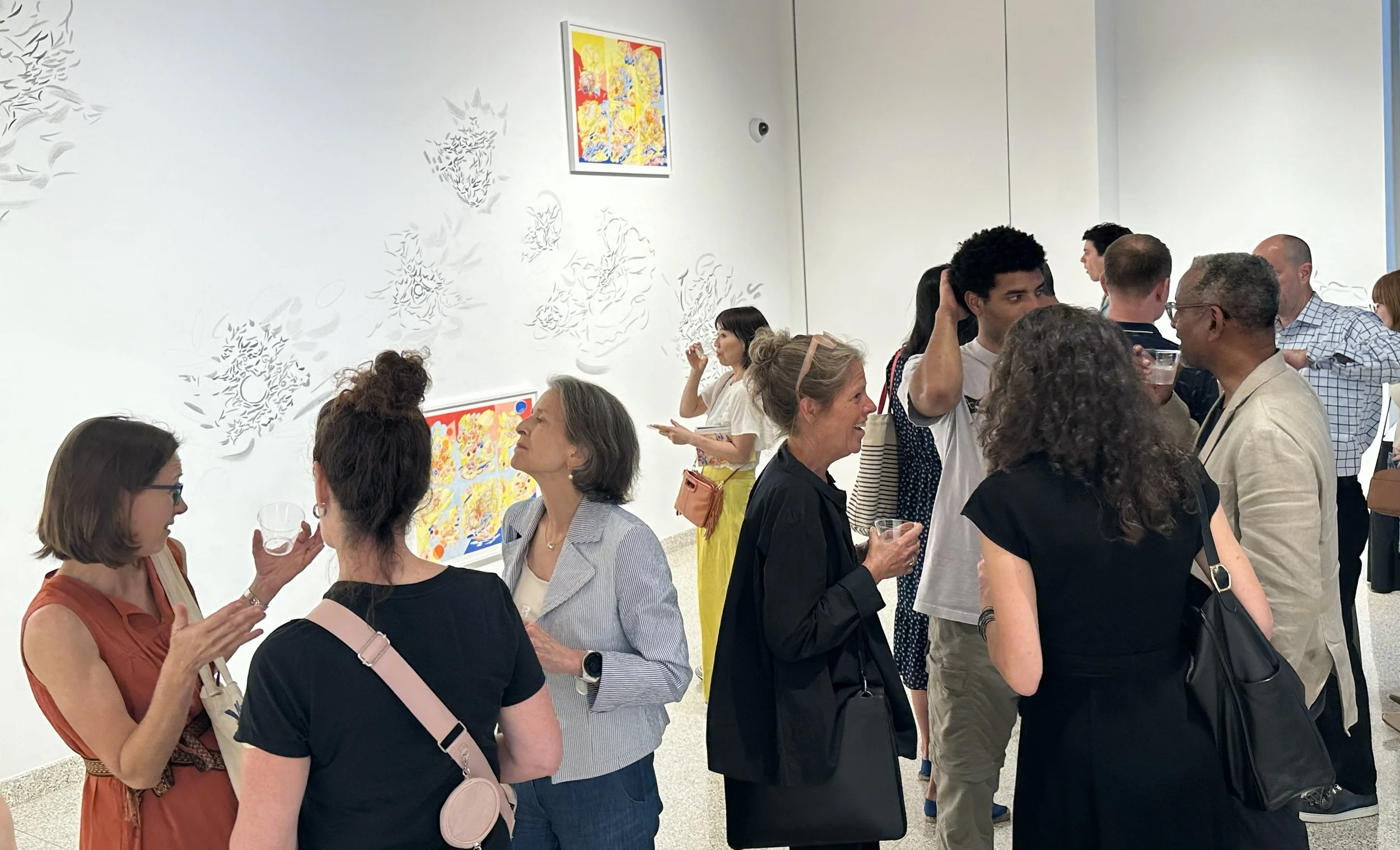
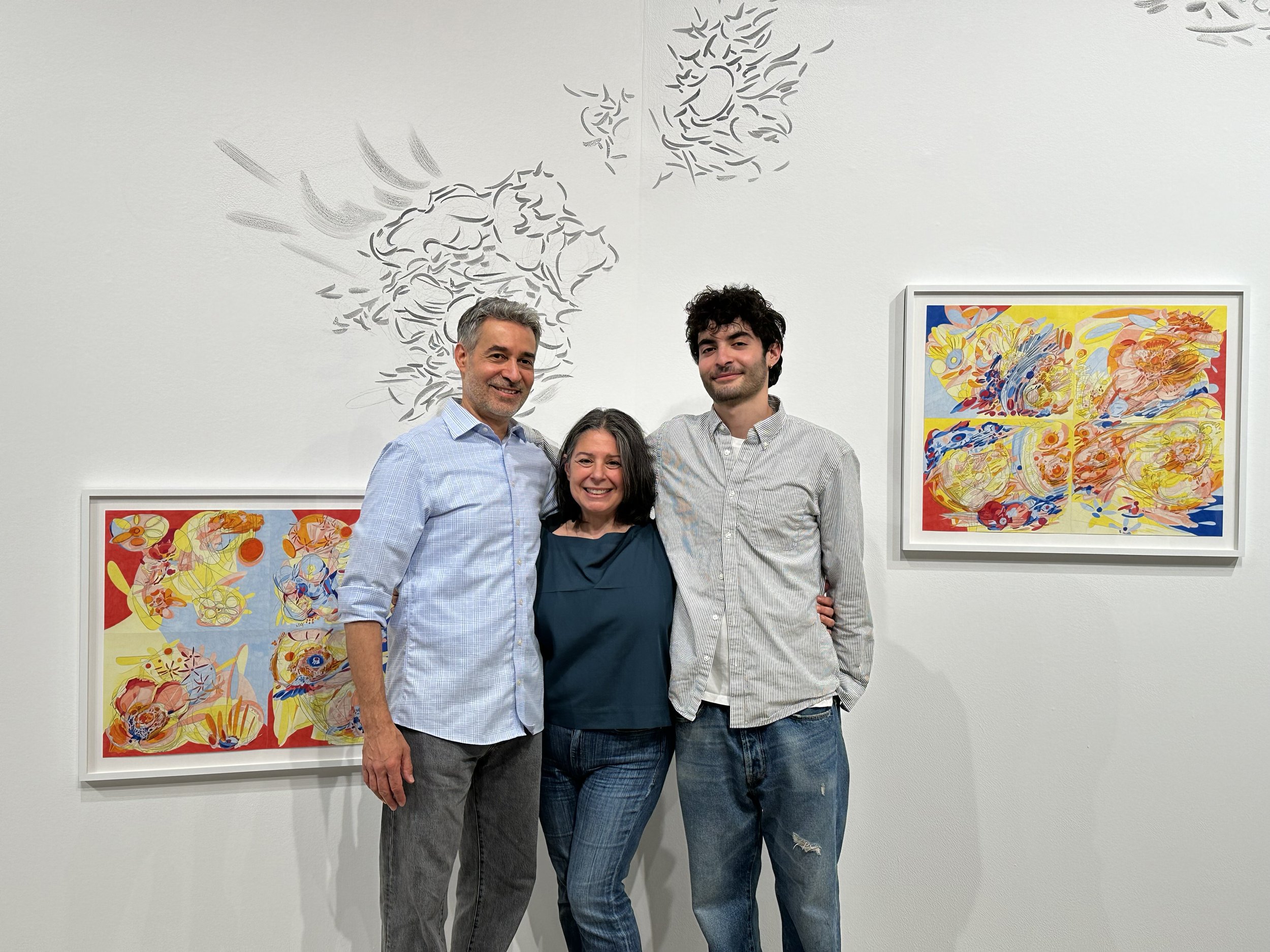
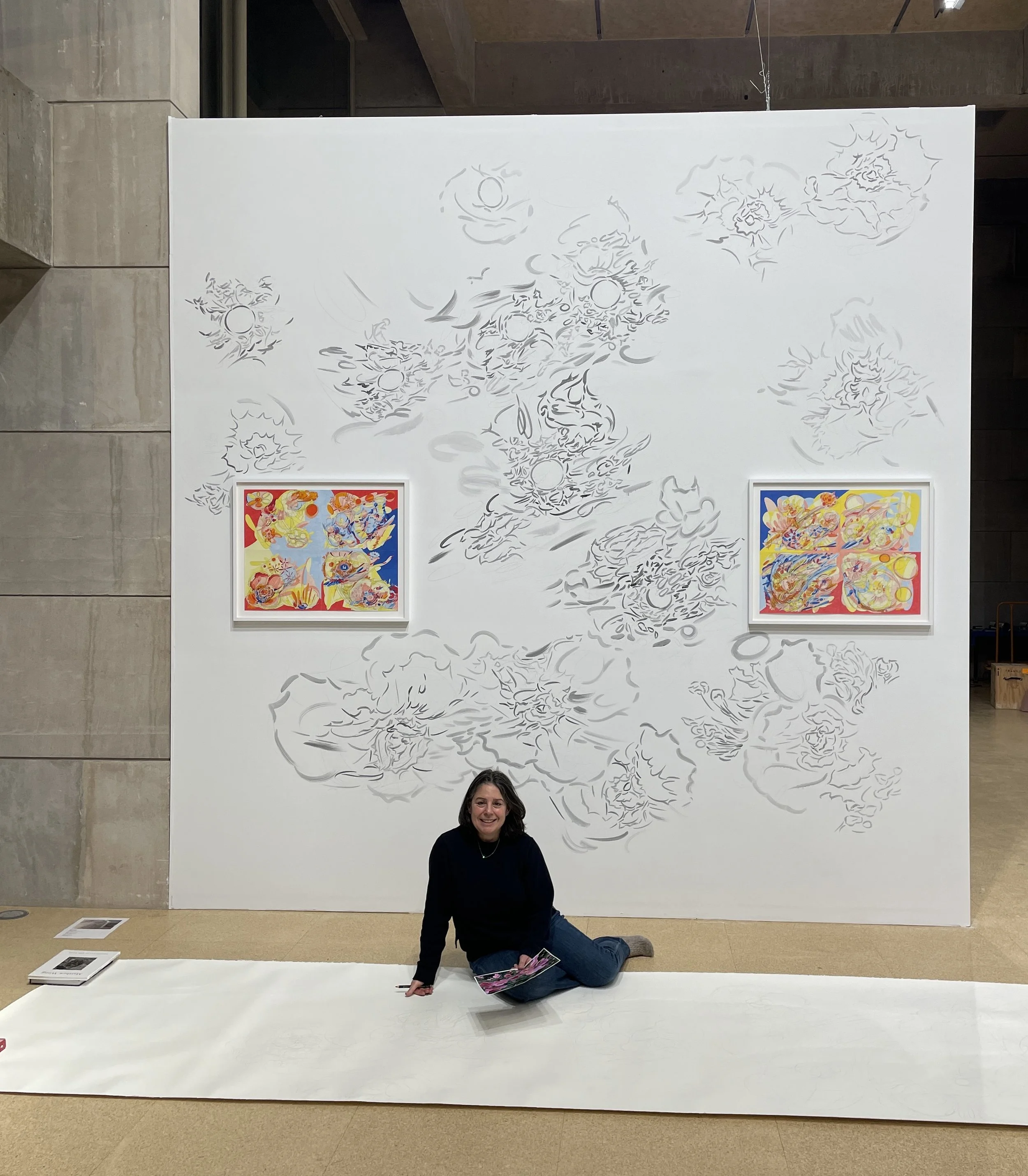
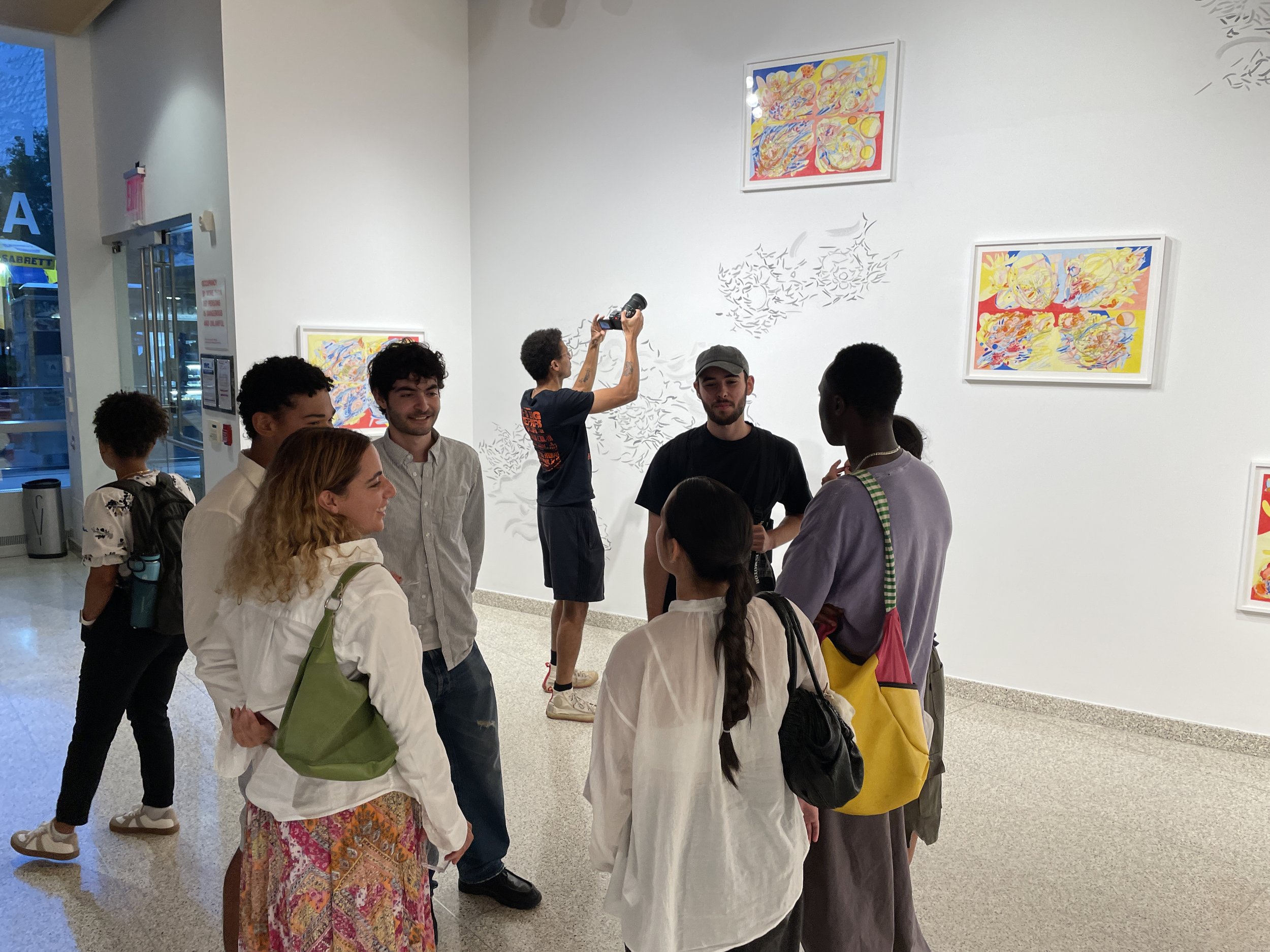
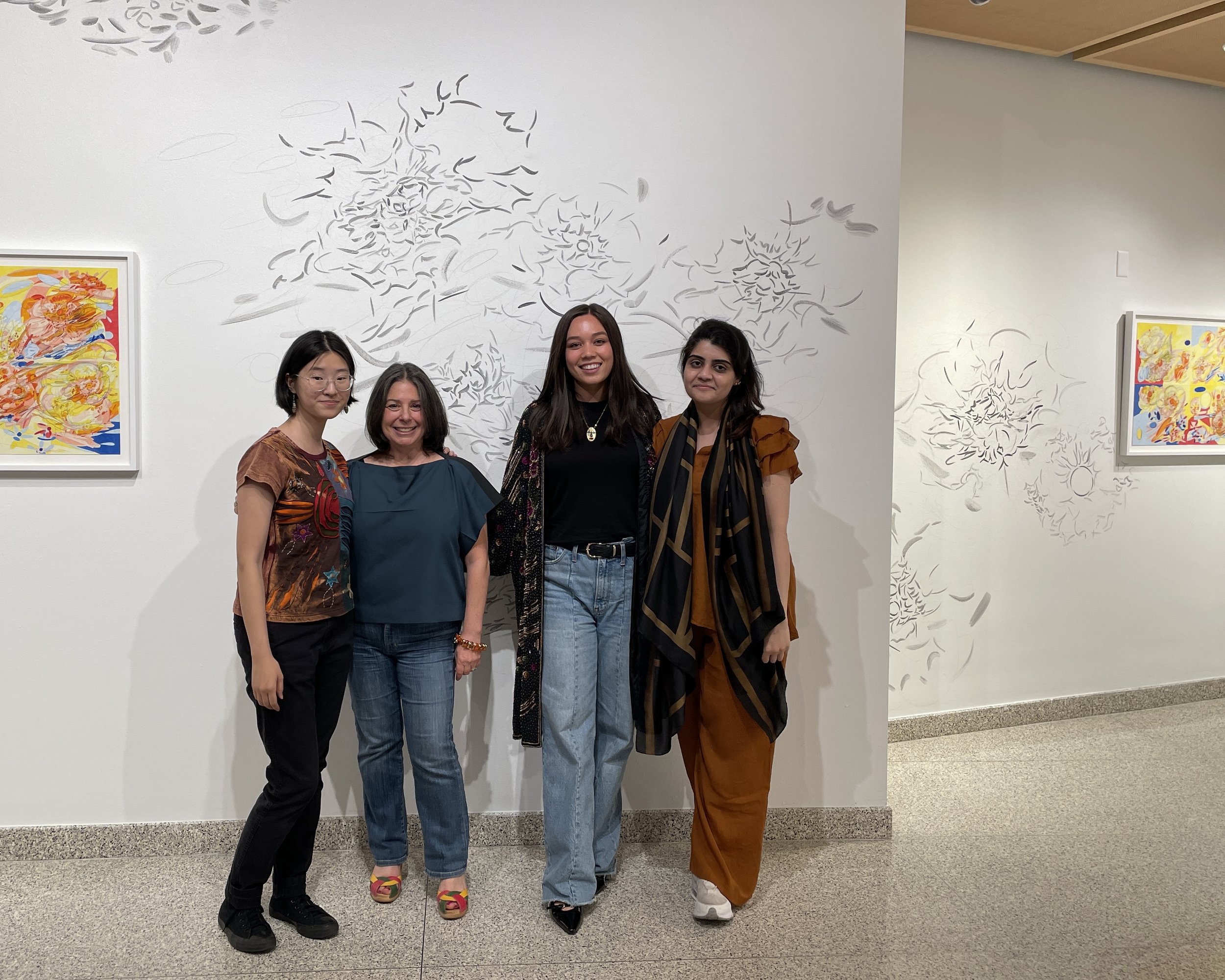
Volitia Turns Herself Inside Out in Order to See the World on view June 6 – August 3, 2024 at Shirley Fiterman Art Center, BMCC, CUNY.

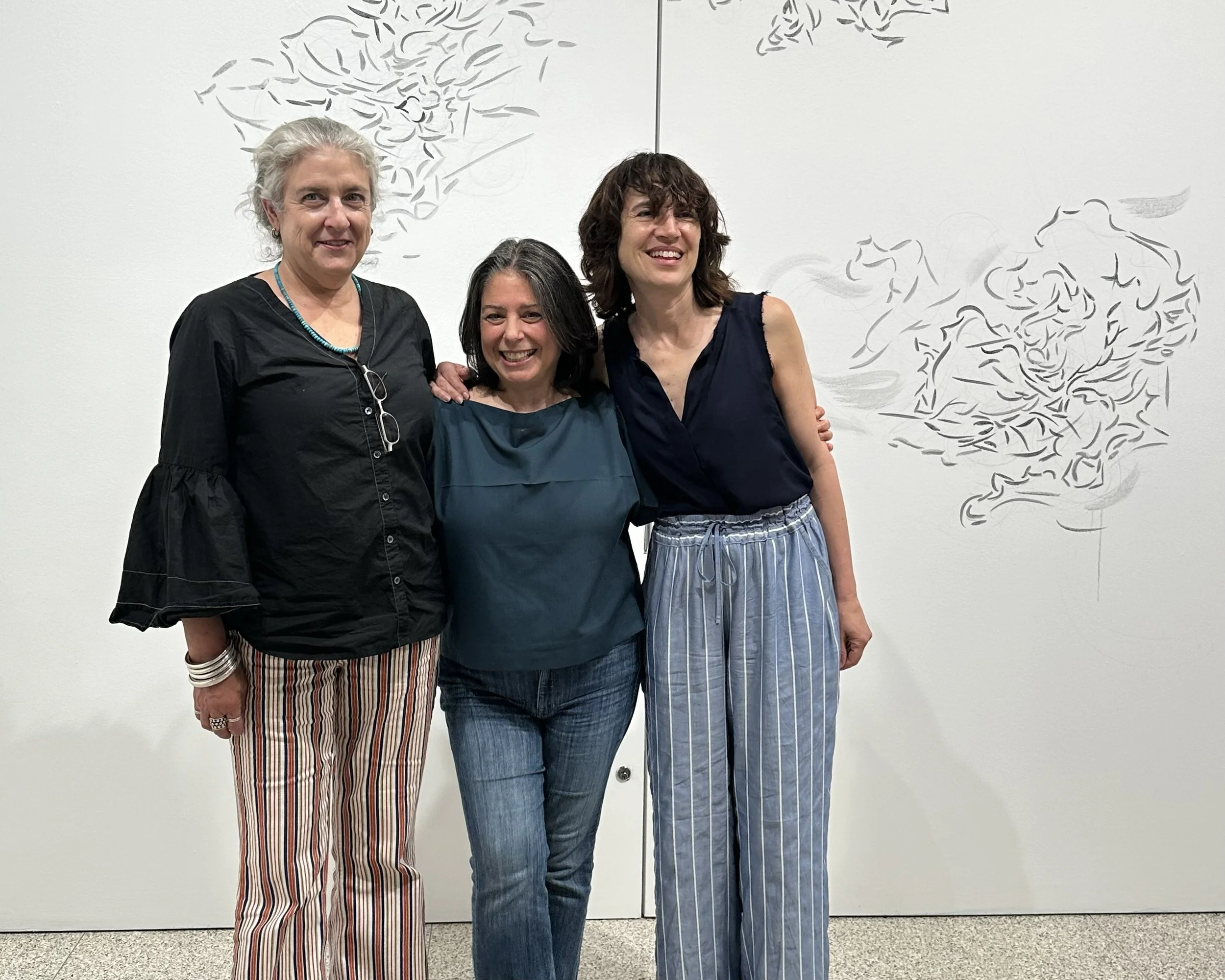
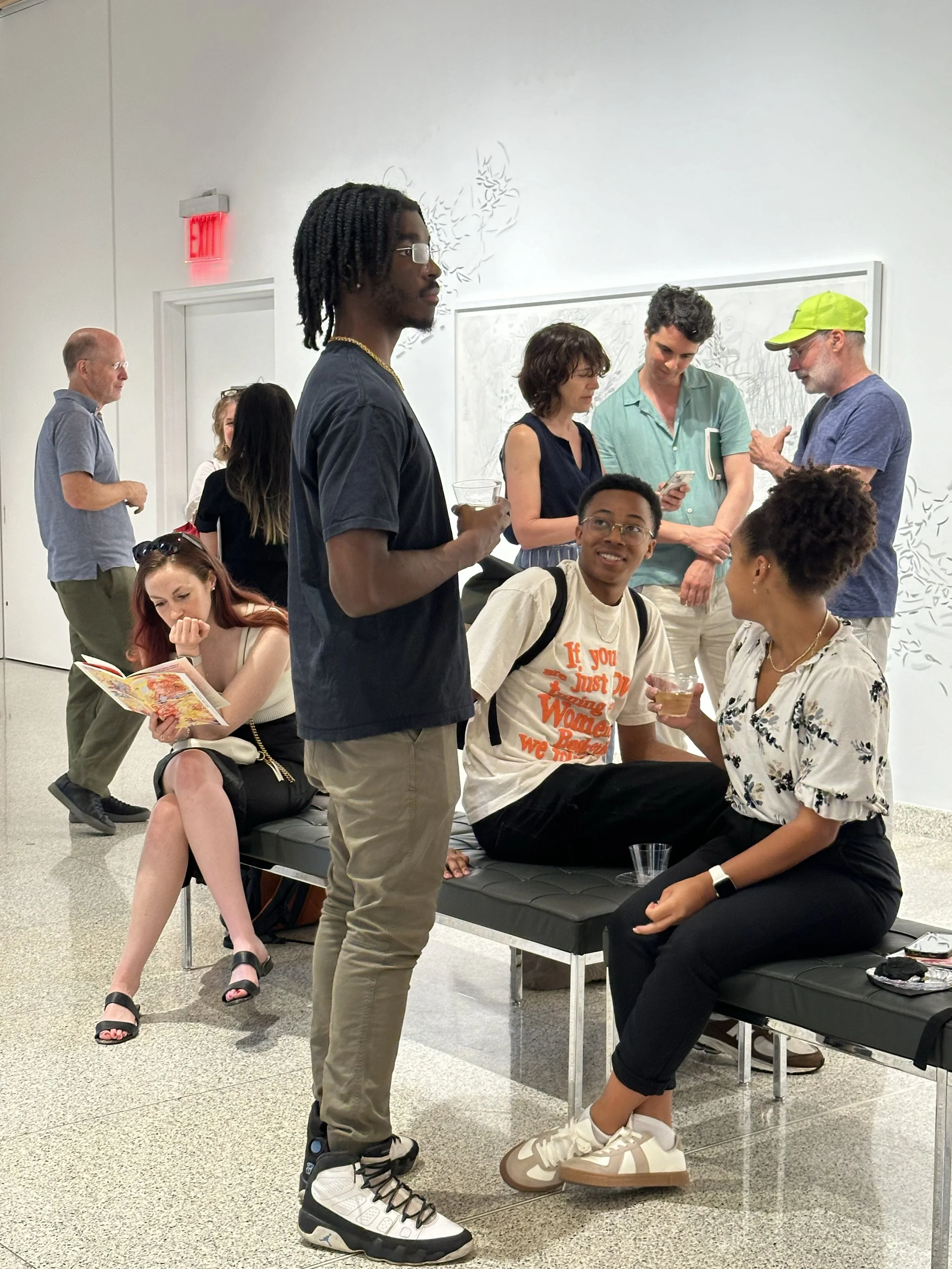
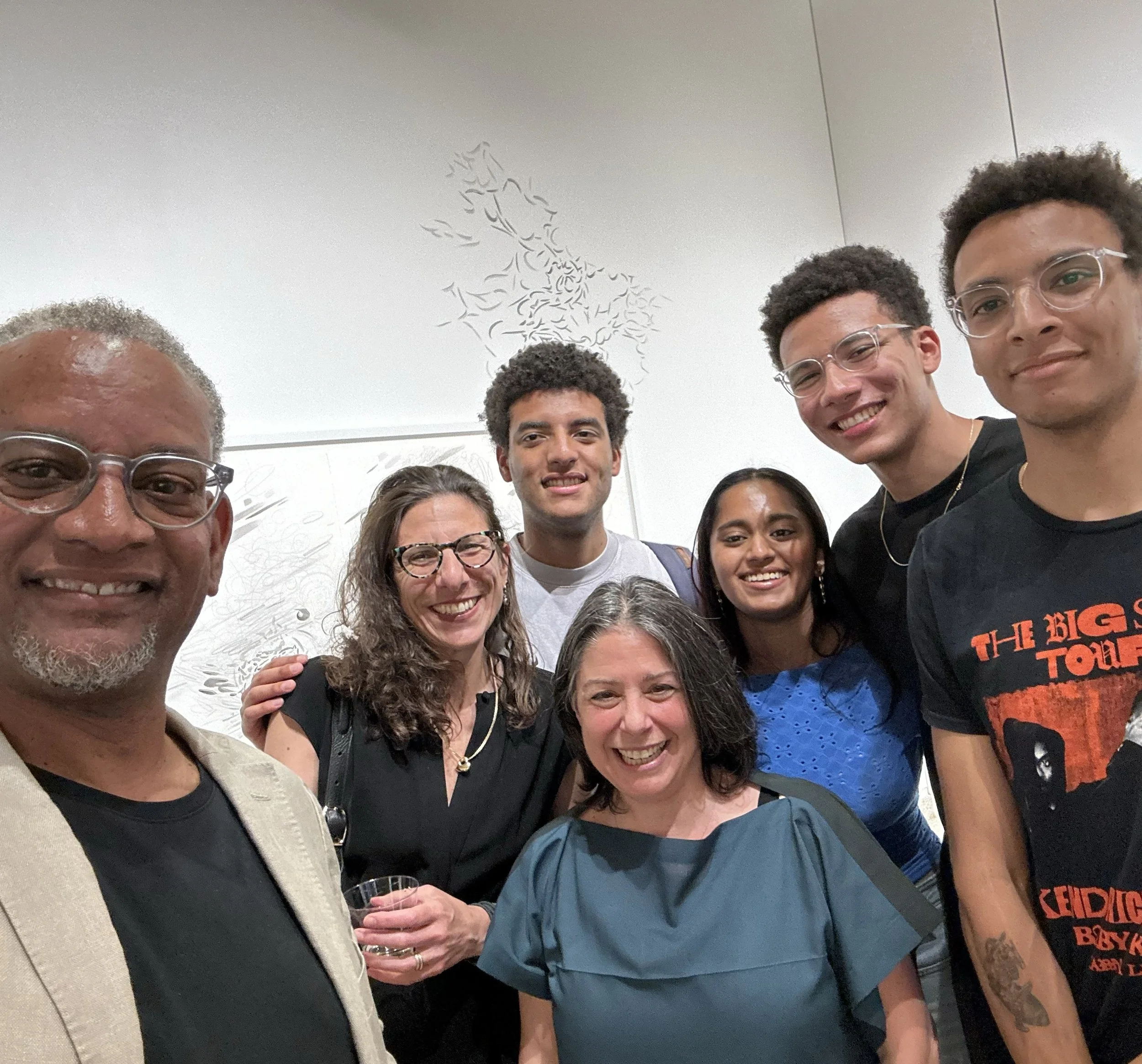
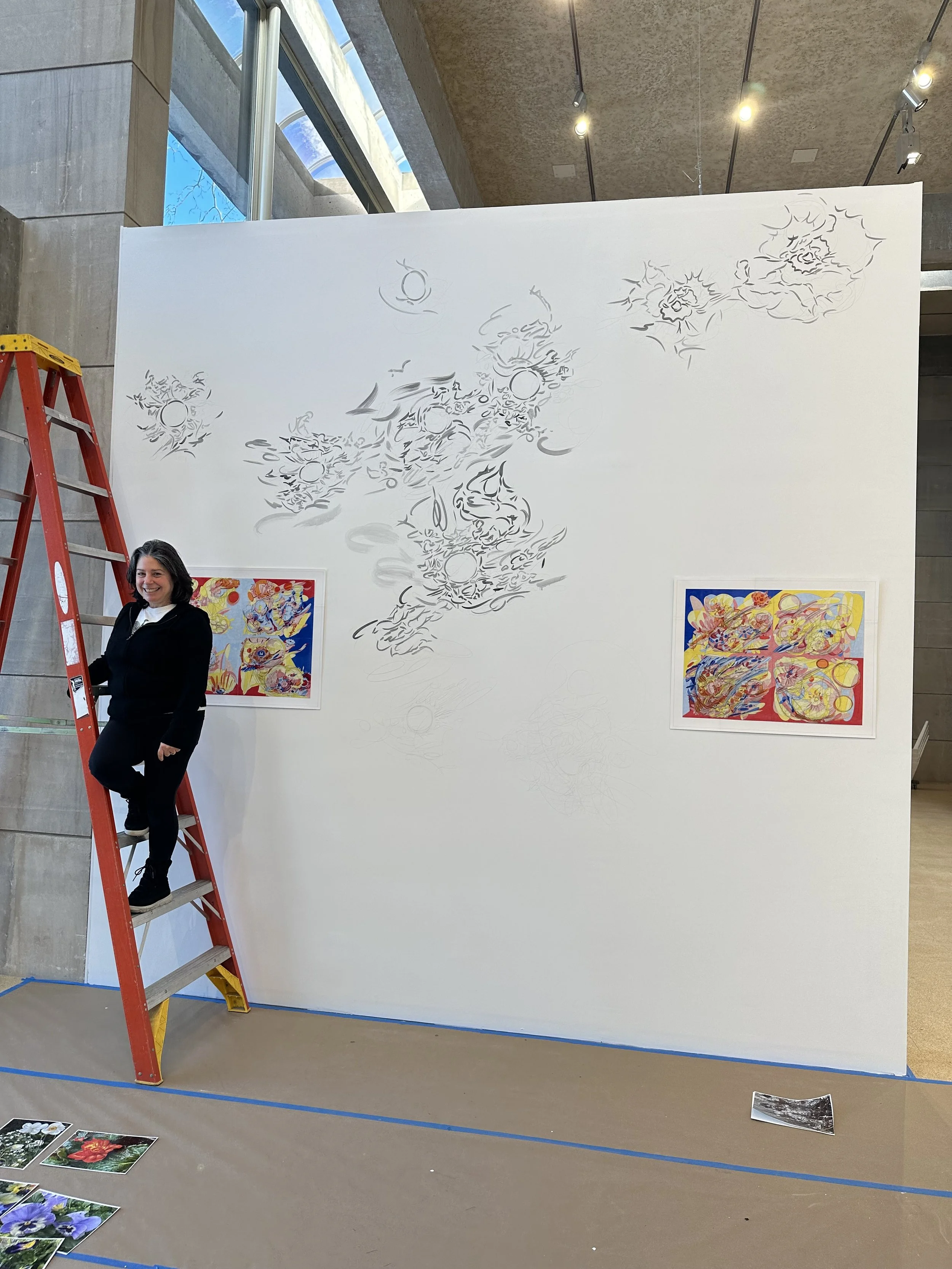
“The Shirley Fiterman Art Center is excited to present Volitia Turns Herself Inside Out in Order to See the World, an exhibition of works by Melissa Marks. The show is an installation comprised of framed color drawings and black and white paintings created directly on the walls of the gallery. The show will open while Marks continues to work on the wall paintings, which will ultimately stretch from the South Gallery (facing onto the World Trade Center) through the corridor to the North Gallery. Viewers will have the opportunity to watch Marks as she transforms the space over the course of several weeks. Engaging directly with the architecture and space of the Fiterman Art Center, Marks’s installation will be performative and monumental, as well as ephemeral, as the murals will be painted over at the exhibition’s end.”

Read more on the Shirley Fiterman Art Center website

Volitia Turns Herself Inside Out to See the World

Lisa Panzera on Melissa Marks: Volitia Turns Herself Inside Out in Order to See the World (pdf)

CFA Exhibition Celebrates 50 Years of History

The 50th-anniversary exhibition in the Ezra and Cecile Zilkha Gallery, “Always Being Relation: 50 Years of the Gallery at the CFA”, features the works of more than 30 artists on display at the Center for the Arts (CFA) from January 30 through March 3, 2024.

With this exhibition, Associate Director of Visual Arts Benjamin Chaffee ’00, and Exhibitions Manager Rosemary Lennox push the boundaries of the usual “alumni” show format, putting in dialogue work by artists who studied at Wesleyan University with artists who have exhibited their work in the gallery since its opening in the fall of 1973.

“We’re hoping to show the amazing variety and quality of work that has come through Wesleyan, and also how important and vital the gallery has been to generations of artists,” Chaffee said.

CFA Celebrates 50 Years of History

Always Being Relation: 50 Years of the Gallery at CFA

Before Volitia installation

Before Volitia

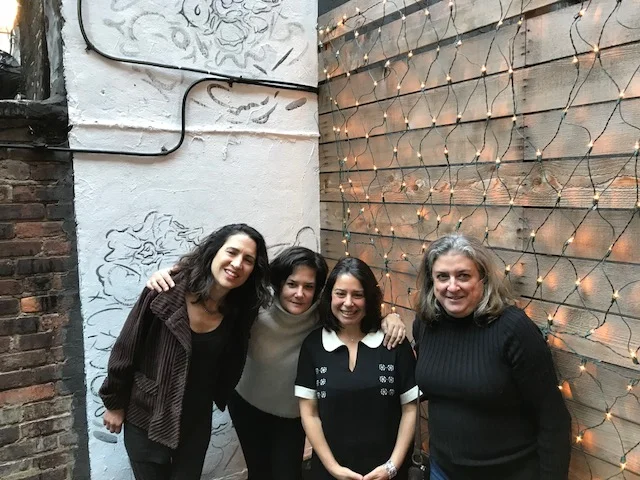
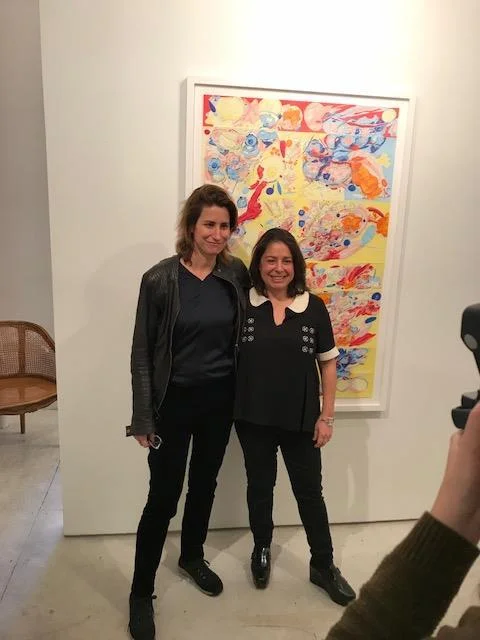
Volitia in Spring | Melissa Marks & Victoria Loustalot

Conversation & Reception: Wednesday, May 30, 2018, 6—8PM
Planthouse celebrated the broadside poster Meeting Volitia, an essay by Victoria Loustalot, published in conjunction with the exhibition Melissa Marks: Volitia Returns. “In a radical moment made of ambition and luck, Volitia, a detachable drip/mutable blob/Pollock leftover, caught a glimpse of herself in the mirror and became self-aware.”

"Volitia Returns" Opening Reception

"Volitia Returns," Planthouse Gallery, Outdoor Installation on view through Spring 2018, Drawing Exhibition November 12 - December 9.
Thank you to Planthouse Gallery and to everyone who came out for the opening on Sunday, November 12.


melissa.marks copy.jpg

In a rowdy, reverse steamroll, Volitia returns in order to make her point, to undo a presupposed, solipsistic force-field with an earnest untangling of imperfect reflections. 

Modeled after the warrior-princess’s secret plant room in Hayao Miyazaki’s 1984 anime, Nausicaä - Of the Valley of the Wind, the wall-drawing at Planthouse proposes growth where there should be none, demonstrating an adaptive response to an inhospitable environment and tainted ecosystem. Nausicaä, Miyazaki’s forthright hero, is a gifted communicator, acting on behalf of every flawed creature, human, bug, flower, boy, man, woman, child, warrior, King and Queen. Her plant room expresses an inventor’s instinct for survival and hard-won hope for the future. 

Inspired by a diverse array of protagonists, plant-life, waves, wind and demonstrative specimens of Abstraction, Volitia Returns rears a collection of marks and gestures as an experiment in sequestered flourishment. 

"Plants, defined by their immobility, have evolved extraordinary life-ways by way of compensation, the power to regenerate after most of their body has been eaten; the ability to have sex by proxy; the possession of more than 20 senses whose delicacy far exceeds any of our own.” Richard Mabey The Cabaret of Plants

"Lily, for all her dissatisfied dreaming, had never really conceived the possibility of revolving around a different centre: it was easy enough to despise the world, but decidedly difficult to find any other habitable region.”  Edith Wharton, The House of Mirth

Gender/ Seriality/ Abstraction

Volitia Returns

acrylic and pencil on walls, Planthouse, Flower District, New York City. 

Volitia Returns, detail.

Volitia Returns, detail.


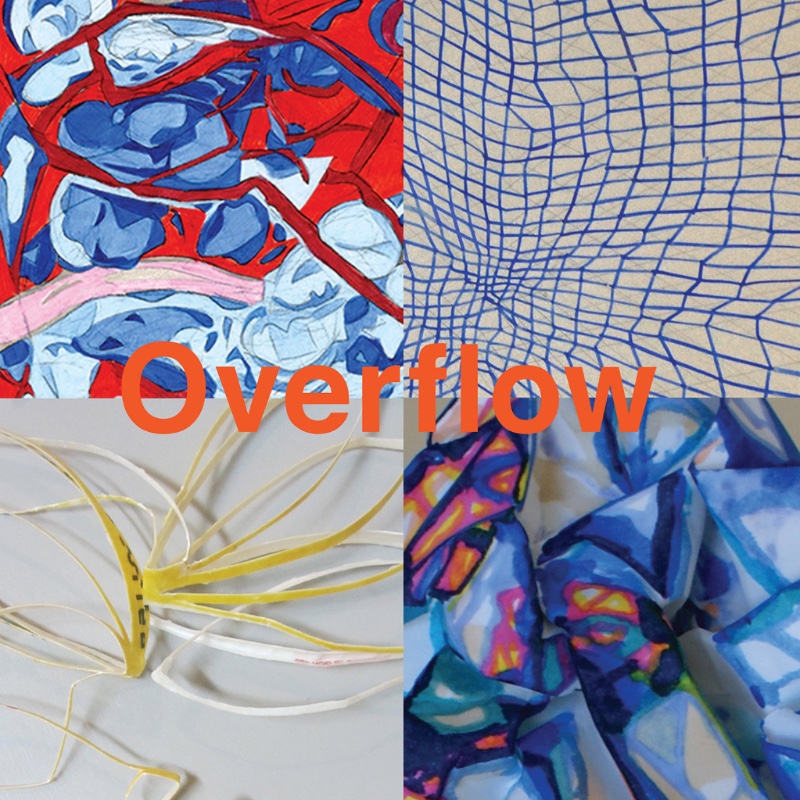
Overflow at Paul Mellon Arts Center Gallery


Overflow is an ongoing visual conversation between artists Martha Lewis, Eva Mantell,Melissa Marks and Laura Watt.
Currently on view through December 18th, 2016 at the Paul Mellon Arts Center Gallery, Choate Rosemary Hall, Wallingford, CT. 


“Overflow” is an expression of our collective, vivid diligence in the realm of “seeing”. In a four-way visual conversation that escorts the eye, via our hands and bodies, through the changeful twists of recognition and invention - Martha Lewis, Eva Mantell, Laura Watt and I ask you to look. If we share a strategy in our approach, it is to make something which reveals itself as it is being made, and to trust the material expression of that revelation to exist independently in the world. In this way, we teach ourselves how to see. In this way, we learn where to put our eyes.


overflow 8.jpg


Paul Mellon Arts Center Gallery
Choate Rosemary Hall
332 Christian Street, Wallingford CT
November 3 - December 18, 2016
The exhibit is free and open to the public, daily from 9:00 a.m. to 7:00 p.m.
Overflow installation includes work by Martha Lewis, Eva Mantell, Melissa Marks and Laura Watt.


The connection between New York and Vélez Blanco through a Renaissance courtyard

(This is a translation of the article published by El País on the 25th August 2016)

by Javier Martín-Arroyo, Seville

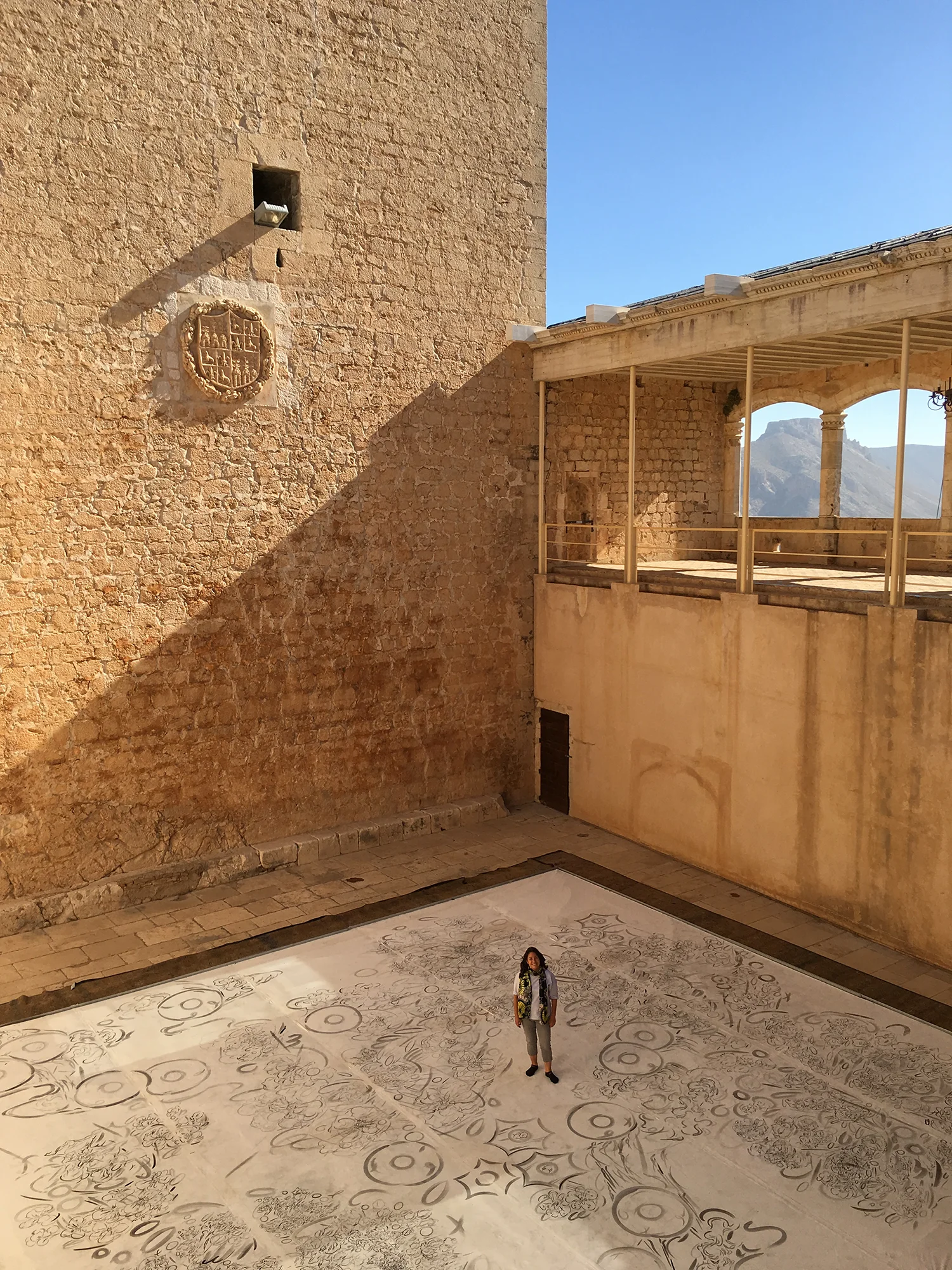
New York artist Melissa Marks never expected that this summer she would be connecting her city with Vélez Blanco, a remote village in Almería. In the Patio de Honor — now empty — of the spectacular 16th century castle that crowns this mountain village, the painter has drawn on a 100 sq. meter canvas evoking the original patio decoration: arches and columns from this patio with Italian Renaissance ornaments that were sold by the owner of the castle in 1904 to a French art dealer and in 1945 ended up at the Metropolitan Museum of Art in New York.

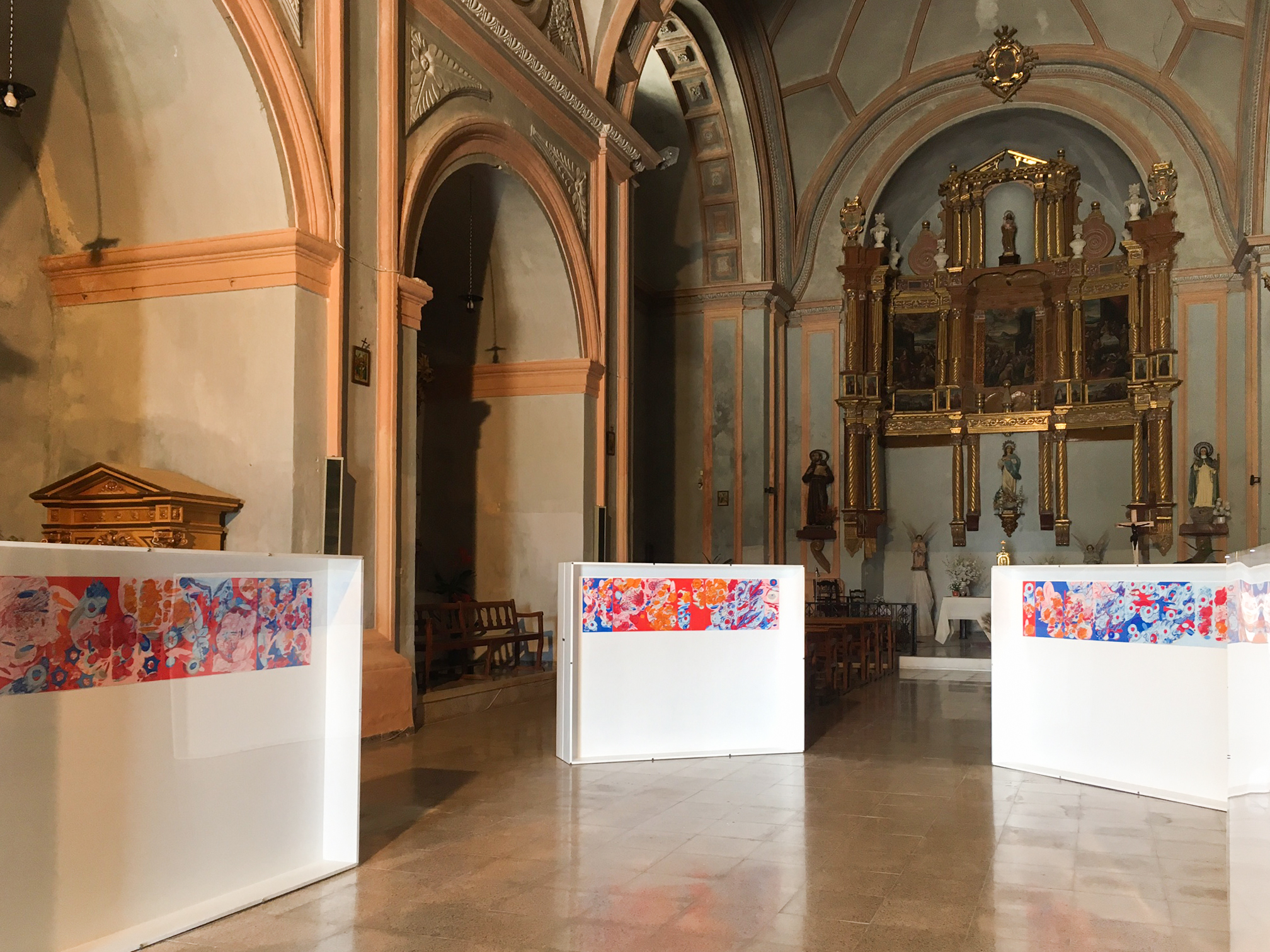
As a child, Marks and her family would go see the patio located in the celebrated museum and this week she inaugurates her large scale work exactly where those two thousand Macael marble blocks she enjoyed in her childhood resided more than a century ago. “When you move away, you live in different places but you’re forever connected to the original context (…) when we miss something, we always create something”, she comments in regards to the inspiration of the double life of this patio on both sides of the Atlantic. This installation, named Double Self Split, is accompanied by 16 large drawings in color and black and white, exhibited until Friday in the town’s convent.

The coincidence of Marks’ visits to the Renaissance decorations of the patio in Manhattan and decades later to the naked original enclosure inspired her enormous drawing full “of nature and creatures from Renaissance imagination” that reinterprets the original motifs created by Italian artisans in the 16th century. “Without skin, does the empty patio represent its bones? Or was the patio stripped to its soul? Does the separation of its parts add artistic or historic value? Or, on the contrary, was the history changed?”, the North American artist asks herself.

The rarity – more and more frequently – to be able to enjoy international art in the semi-desert climate of northern Almería is due to the union of foreigners. In 2009 the British couple of Simon and Donna Beckmann founded an artist residency, Joya: arte+ecología, in which Marks participated. Three years ago the three of them talked about placing “a contemporary reciprocal gesture in the empty patio”, in the words of the artist and the English promoter. After talking to the councilor of Culture of Vélez Blanco, the German Dietmar Roth, they called at the doors of the castle, in this case the Andalucian Council, owners of the castle for over a decade in exchange for three million (euros).

The secret to maintaining the artistic pulse in a small municipality? “You have to raise awareness, although it is a town that is interested in culture, with a Renaissance and baroque music festival, as an example, and with very active cultural associations. Culture is a right but it is also an investment. What’s the difference between Spain and other tourist destinations? Cultural richness. Here we live with authenticity, we’re not a stage for tourists, we have the awareness of a patrimony”, emphasizes Roth, who arrived in Vélez Blanco 23 years ago.

Simon Beckmann searched and searched across the peninsula for an inspiring enclave for his residency, where he’s already received more than 500 artists. And he found it in the heart of the Parque Natural Sierra María-Los Vélez, from where he collaborates with Spanish and British universities. He says he’s met with a surprising sensitivity toward his projects by the various institutions. As artist and host, he admits that the most difficult challenge is to tell the world, via the Internet, of his work in a site so isolated from the usual artistic circuits. “I never thought that I would spend this much time attempting to communicate what we do”. This week, however, as he and Marks fight the wind to keep the canvas fixed to the castle’s patio, everything surrounding this exhibition of contemporary art from the United States has left an excellent taste in his mouth.
Double Self Split: Castillo de Vélez Blanco

“The level of engagement and thoughtful exchange with the public during my four week drawing performance inside the courtyard of the Castillo de Vélez Blanco was profoundly gratifying. Nicknamed “La Brocha” (The Brush) in town, I was honored by the trust that evolved and deepened during my stay in Vélez Blanco and afforded me the privilege to present and create my work in such sacred and historic locations. 

There were many surprises, including the impressive annual fireworks display that showered party debris onto the painting, the inclusion of red Saharan sand in each raindrop that fell (at least four unlikely storms that I can recall!), and the ever-present wind, “Los Grandes Ayres" de Los Vélez.  At the Iglesia del Convento de San Luis, I was surprised to see my drawings become sculptures with a front and back thanks to the beautiful, double-faced, standing frames designed by Simon Beckmann. I was surprised to learn so many individual stories, generational family stories, that connect the people of Vélez Blanco to the Convento de San Luis and to the empty courtyard of the castle. 

If the castle’s marble decoration now at the Met had not been absent, the castle itself would have remained attached to its original moment in Renaissance Spain. We would treat it as an artifact to be protected and treasured.  Right now the Castle of Vélez Blanco is full of forward-looking conversation. I am so pleased to be at the beginning of that conversation."

Thank you to Simon and Donna Beckmann, Joya: arte + ecología; the Ayuntamiento de Vélez Blanco; Antonio Cabrera Gea, Mayor of Vélez Blanco; Dietmar Roth, Deputy Mayor and Councilman of Culture of Vélez Blanco; the Consejería de Cultura of the Junta de Andalusia; Alfredo Valdivia, Minister of Culture of Almería; Grupo Gabar; and Friends of Double Self Split..”

Melissa Marks

leer en español

"¡Gracias a todos los amigos de Double Self Split! Las dos exposiciones en España fueron recibidas con cariño y entusiasmo por la comunidad local, los turistas extranjeros, la prensa nacional y el gobierno regional. El nivel de implicación e intercambio reflexivo con el público que se dio durante la performance de cuatro semanas en el patio del castillo de Vélez Blanco fue profundamente gratificante. Apodada “La Brocha” en el pueblo, fui honrada con una confianza que evolucionó y profundizó durante mi estancia en Vélez Blanco y me otorgó el privilegio de presentar y crear mi obra en unas ubicaciones sagradas e históricas.

Hubo muchas sorpresas, incluyendo el impresionante espectáculo anual de fuegos artificiales que llenó la obra de restos de los festejos, la arena roja del Sáhara que llevaba cada gota de lluvia que cayó (¡hubo por lo menos cuatro insólitas tormentas que yo recuerde!), y el viento siempre presente, “Los Grandes Ayres” de Los Vélez. En la iglesia del convento de San Luis, me sorprendió ver mis dibujos convertirse en esculturas con una parte delantera y una trasera gracias a los bellos marcos de doble cara diseñados por Simon Beckmann. Me sorprendió descubrir tantas historias individuales, familiares y generacionales que conectan a la gente de Vélez Blanco con el patio vacío del castillo.

Estaba claro que estaba trabajando dentro de un amplio conjunto de ideas lo suficientemente generoso como para incorporar nuevas ideas al impredecible curso de la historia humana. Era importante que esta obra se desarrollara a lo largo de un periodo de tiempo, in situ, de una manera receptiva y espontánea, respaldada por un largo periodo de pensamiento, estudio y ensayo. Era importante que semejante compromiso con los valores, inquietudes, puntos fuertes y desafíos de la región hubiesen sido comprendidos y vividos por el equipo curatorial de Joya: arte + ecología. El riesgo que implicaba que el proceso creativo fuera transparente fue mi contribución y siento que todos lo comprendieron. Mi tarea no era simplemente hacer un dibujo dentro del patio vacío, sino hacer un dibujo del que estuviera orgullosa, uno que me sorprendiera a mí y a la audiencia. Mi esfuerzo tuvo una respuesta enormemente positiva y estoy muy agradecida.

Si la decoración de mármol del castillo que está ahora en el Metropolitan no hubiese estado ausente, el castillo habría permanecido unido a su momento original del Renacimiento español. Lo trataríamos como un artefacto que proteger y atesorar. Ahora mismo el castillo de Vélez Blanco está lleno de conversación que mira hacia delante. Me alegra estar en el comienzo de esa conversación.

Gracias a Simon y Donna Beckmann, Joya: arte + ecología; el Ayuntamiento de Vélez Blanco; Antonio Cabrera Gea, Alcalde de Vélez Blanco; Dietmar Roth, Teniente de Alcalde y Concejal de Cultura de Vélez Blanco; la Consejería de Cultura de la Junta de Andalucía, Alfredo Valdivia, Delegado de Cultura de Almería; el Grupo Gabar y los amigos de Double Self Split."

Melissa Marks

Opening at the Castle of Vélez Blanco

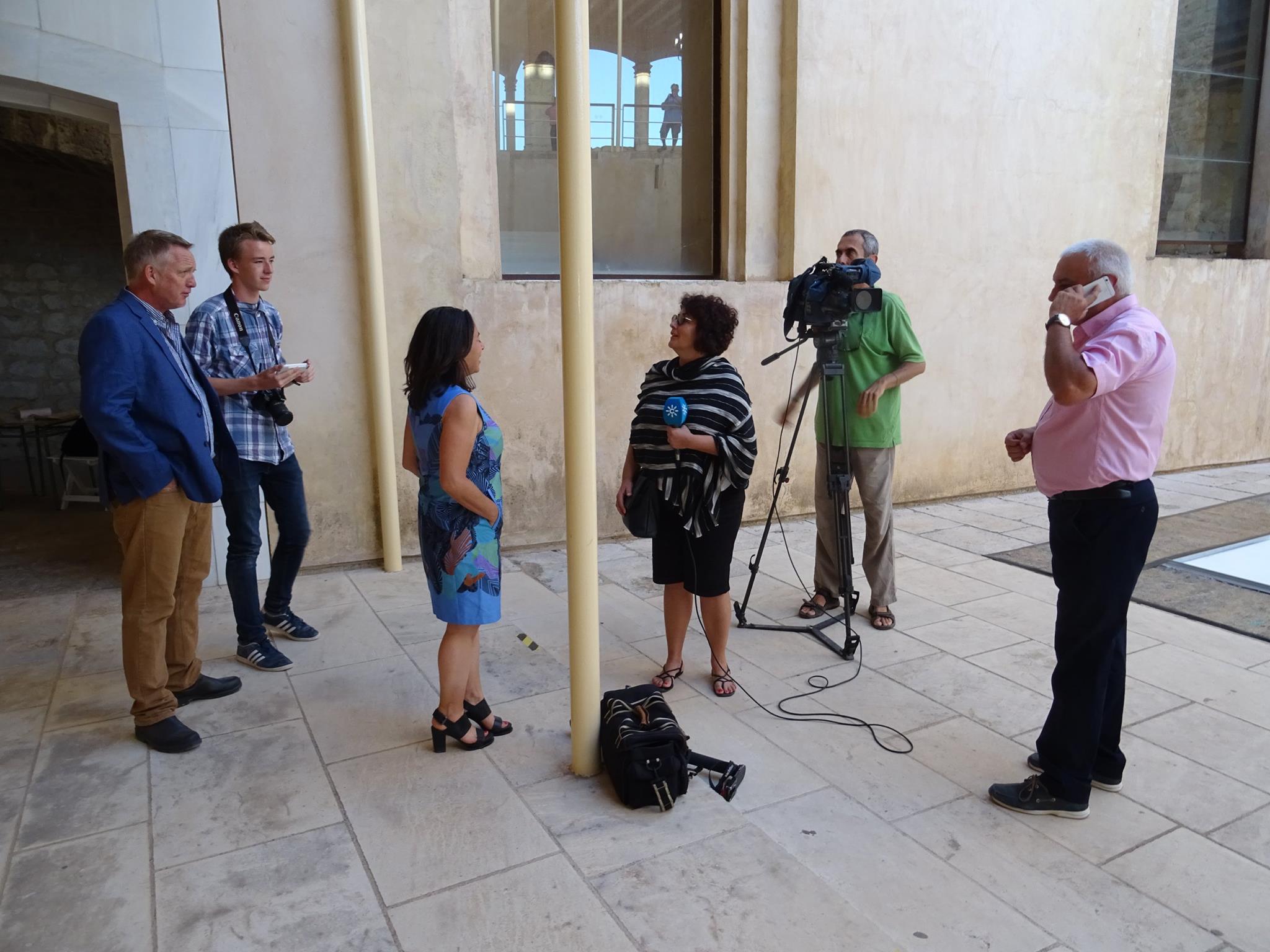
The opening of “Double Self Split” in the courtyard of the Castle of Vélez Blanco took place on August 25, 2016. Melissa Marks’ work was warmly received by the local community, regional and national press, and cultural dignitaries. 

"Double Self Split" in the press: 

“Double Self Split”  has been featured in both regional and national news media, including an article in El País, Spain’s leading national newspaper. 

A complete list can be found on the Press page. 

Double Self Split: work in progress II

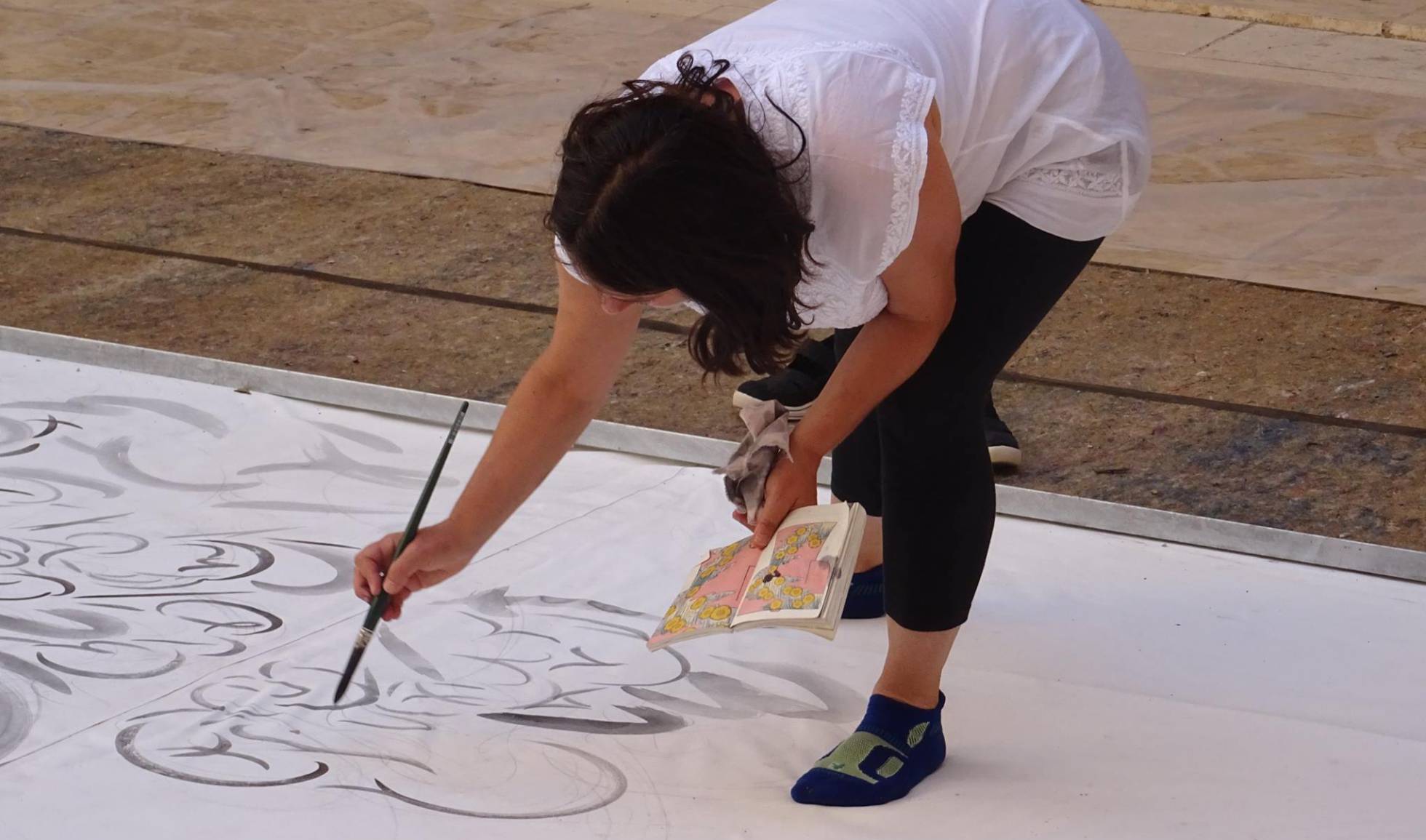
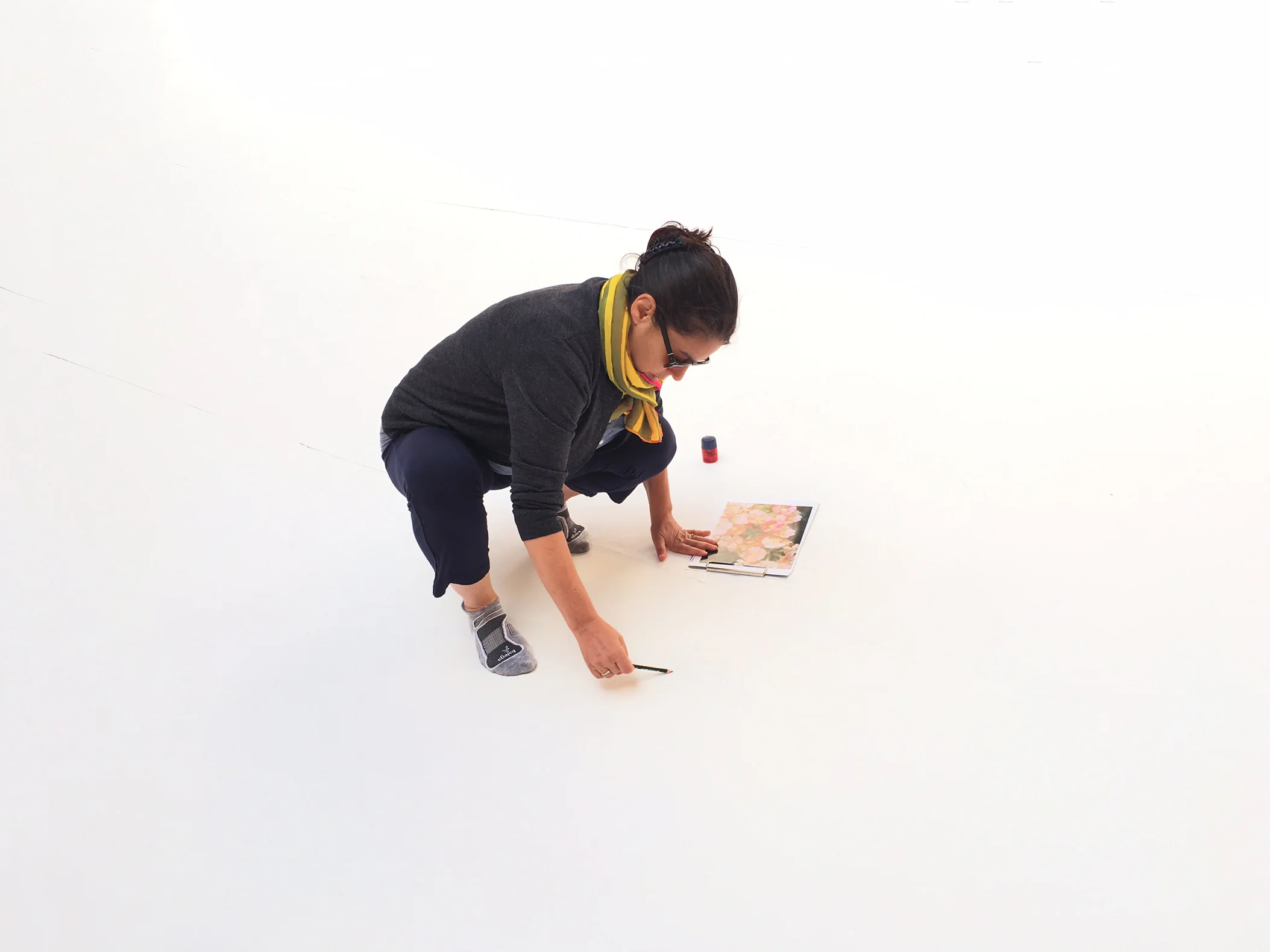
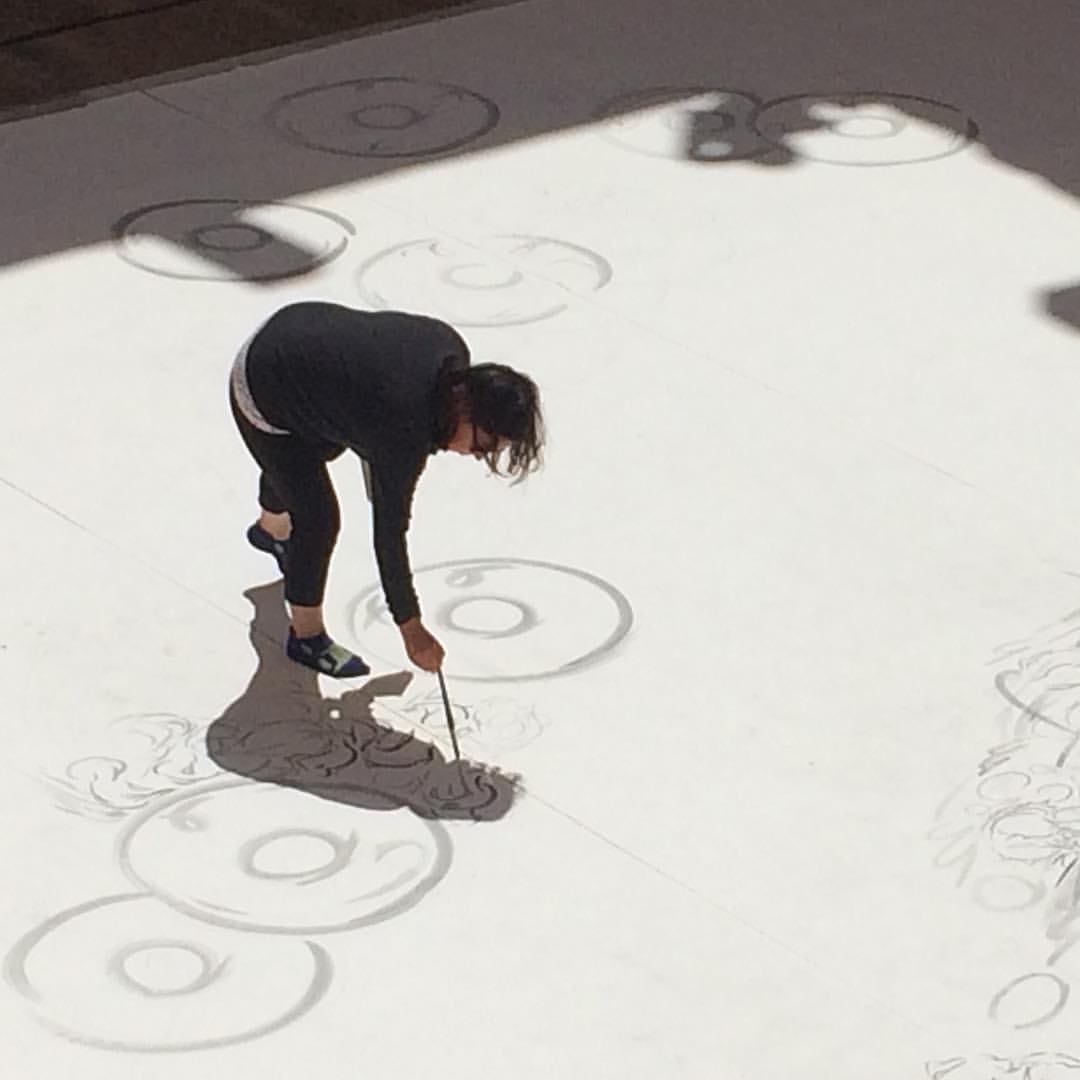
Double Self Split is a spontaneous drawing performance covering 100 square meters of the floor of the courtyard of the castle of Vélez Blanco. Melissa Marks' "drawn mark" spreads across a large white canvas, flowing and twisting across the expanse, allowing viewers to orient themselves both from above and below, considering top and bottom, beginning and end, in a circular, abstract narrative. Painted marks accumulate and disperse, allowing viewers to pause, and participate in moments of concentration, density and focus.

The project is curated by Joya: arte + ecología in collaboration with the Ayuntamiento of Vélez Blanco and the Consejería de Cultura of the Junta de Andalucía.

Thank you to Dietmar Roth, Deputy Major and Councilman of Culture, for these beautiful photographs.

Double Self Split es una performance espontánea de dibujo que cubre 100 metros cuadrados del suelo del patio del castillo de Vélez Blanco. La "marca dibujada" de Melissa Marks se extiende a lo largo de un gran lienzo blanco, fluyendo y girando por la superficie, permitiendo a los visitantes observar la obra tanto desde arriba como desde abajo, teniendo en cuenta una parte superior y una inferior, un principio y un final, en una narrativa circular y abstracta. Las marcas pintadas se acumulan y dispersan, permitiendo a los visitantes a parar y participar en momentos más densos.

El proyecto está comisariado por Joya: arte + ecología en colaboración con el Ayuntamiento de Vélez Blanco y la Consejería de Cultura de la Junta de Andalucía.

Gracias a Dietmar Roth, Teniente de Alcalde y Concejal de Cultura, por estas bellas fotografías.

Double Self Split: work in progress I

Melissa Marks started the second phase of her major project Double Self Split earlier this month and the 100 square meter drawing the artist is creating in the Patio de Honor of the castle of Vélez Blanco is already taking shape. The response from the public to the artist's work is very positive. Thank you to Joya: arte + ecología, the Ayuntamiento of Vélez Blanco and the Consejería de Cultura of the Junta de Andalucía for making this project a reality.

Melissa Marks comenzó la segunda fase Double Self Split a principios de este mes y el dibujo de 100 metros cuadrados que la artista está realizando en el Patio de Honor del castillo de Vélez Blanco ya está tomando forma. La respuesta del público a la obra de la artista está siendo muy positiva. Gracias a Joya: arte + ecología, el Ayuntamiento de Vélez Blanco y la Consejería de Cultura de la Junta de Andalucía por hacer de este proyecto una realidad. 

"Double Self Split" exhibition opening

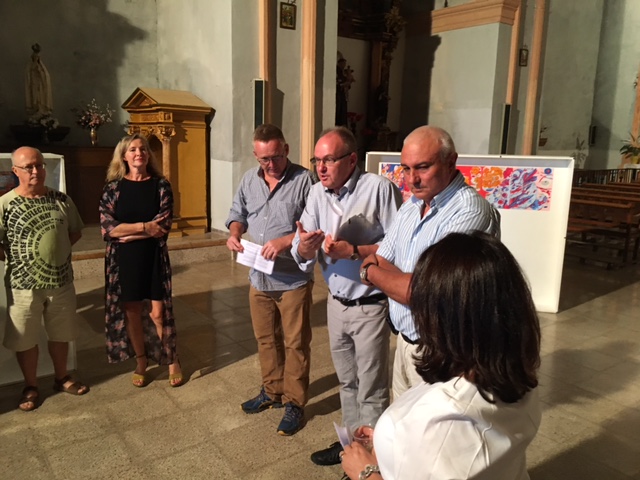
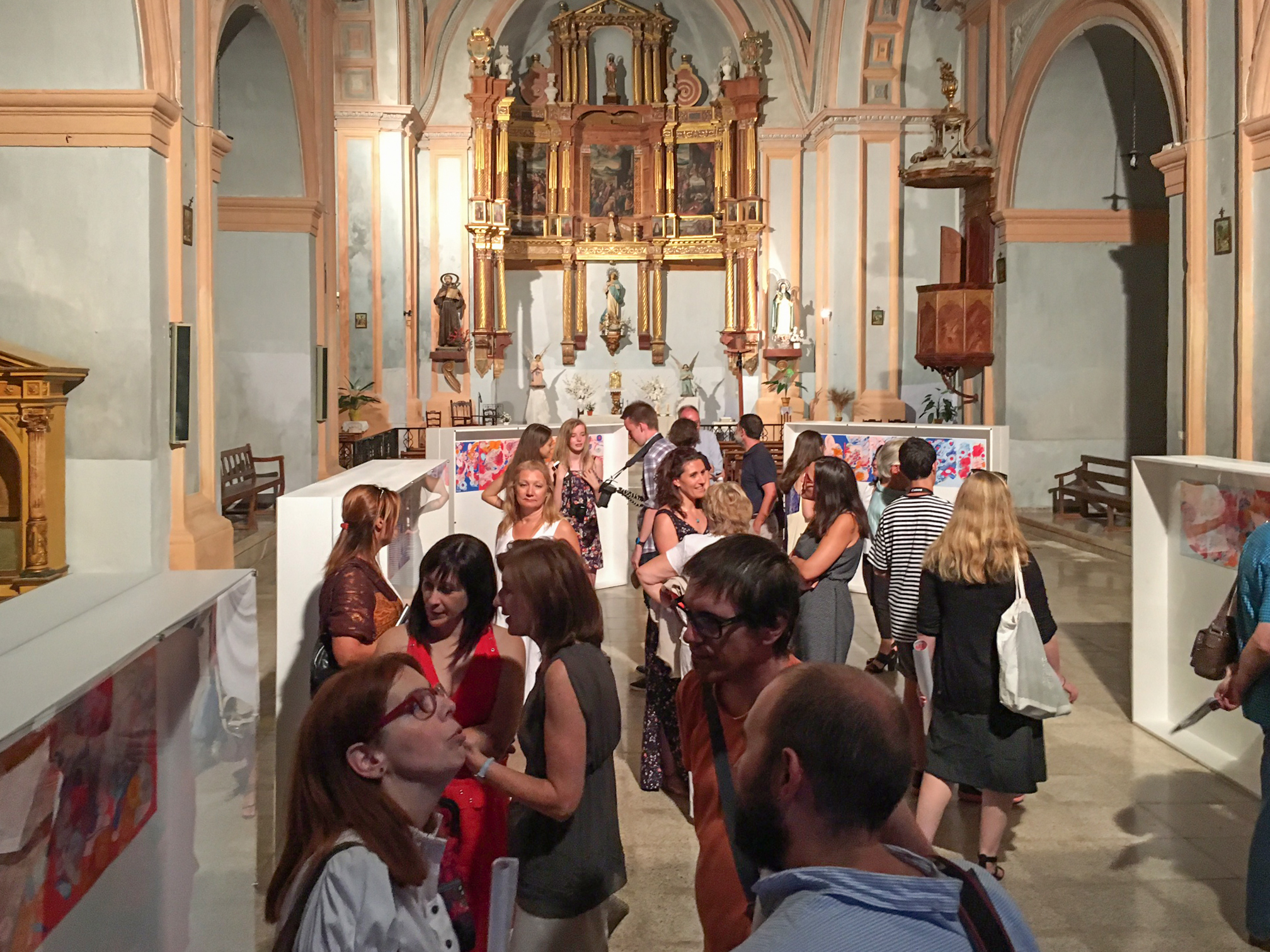
Thank you to everyone who came to the opening of Melissa Marks' Double Self Split at the church of San Luis in Vélez Blanco (Spain). It was a very special event thanks to the enthusiasm and warm welcome from the town.
Thanks to Joya: arte + ecología, the Ayuntamiento de Vélez Blanco and the Consejería de Cultura of the Junta de Andalucía for making this possible. 

Gracias a todos los que se acercaron a la iglesia del convento de San Luis de Vélez Blanco a la inauguración de Double Self Split de Melissa Marks. Fue un evento muy especial, gracias al pueblo por su entusiasmo y cálida acogida. 
Gracias a
Joya: arte + ecología, el Ayuntamiento de Vélez Blanco y la Consejería de Cultura de la Junta de Andalucía por hacerlo posible.

"Double Self Split": key dates

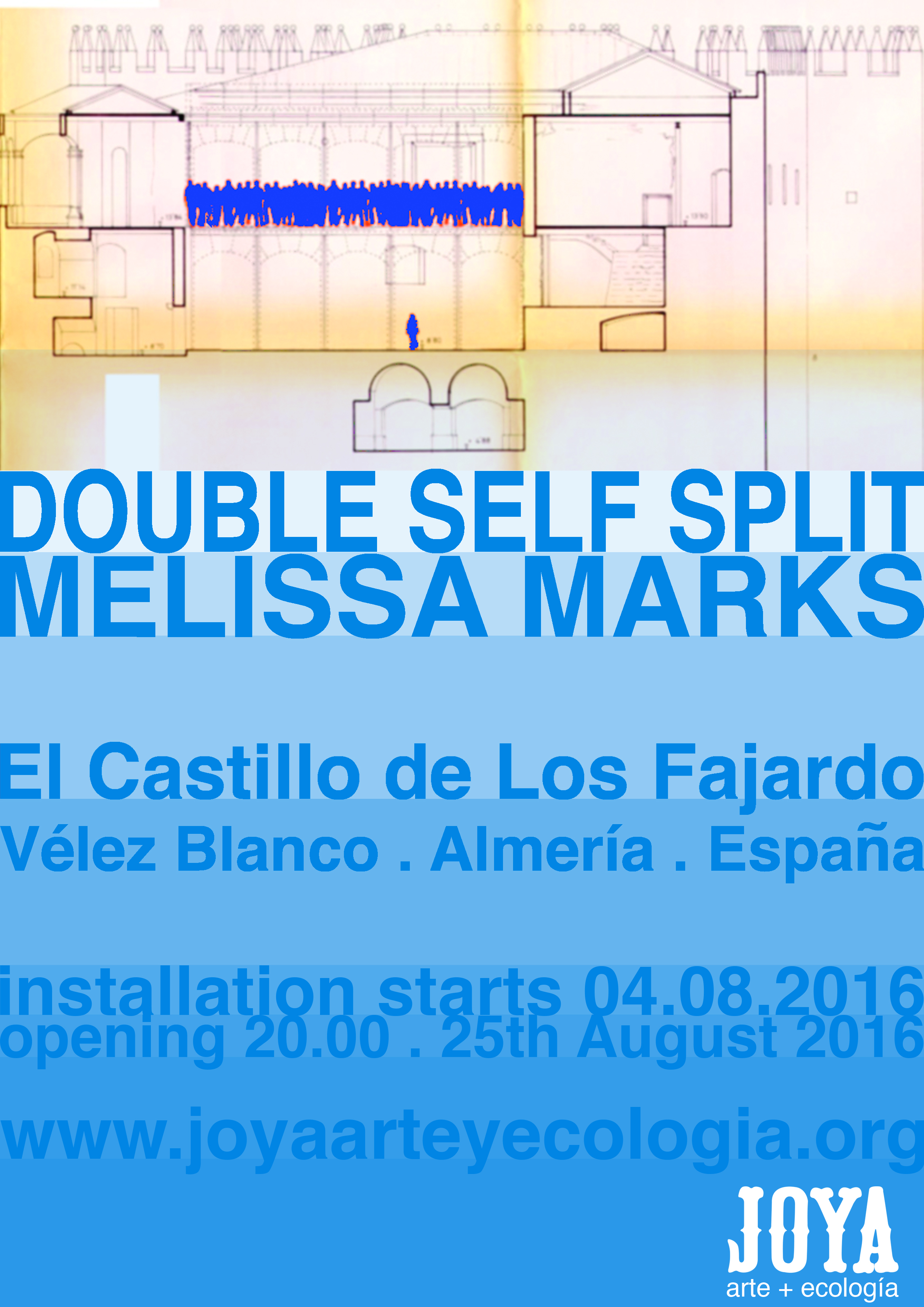
These are the key dates of Melissa Marks' "Double Self Split" project, curated by Joya: arte + ecología:

Installation at the Castillo de los Fajardo, Vélez Blanco, Spain: 

  • Installation starts: 4th August 2016

  • Opening: 8pm, 25th August 2016

Exhibition at the iglesia del convento de San Luis, Vélez Blanco, Spain:

  • Opening: 3rd August 2016

  • Open from 4th to the 25th August 2016

In anticipation of "Double Self Split"

by Stuart Elster

"The Floor Drawing” is not meant to fill the emptiness created by the removed Patio. The void exists, and I believe Melissa has no intention of trying to fill it. The “Floor Drawing,” then, is just one element making up a complex set of parts that constitute the artwork as a whole. And the “Drawing as an artwork” is now in process. I am not talking about planning and organizing, preparation or practice. I mean that the artwork at this moment in time and space is in the process of becoming. In fact, it is very much underway and moving quickly to completion. All artworks are built of structures. The nonexistent “Floor Drawing” exists in its absence equally to how the void characterizes the form of the Castle. The future marks that Melissa will make across the floor’s surface will not fill that void, she will be “Drawing into it”. Conventional mark-making is only one definition of Drawing, as an act of marking a surface with a tool. Another definition is “Drawing out” as a form of extracting, conjuring or teasing elements from one context to create another. There is also “Drawing” as a way of choosing from a set of unknown or random options. 

Melissa is employing all of these aspects of “Drawing” in creating an Artwork which is meant to activate for the viewer all of the cultural, historical and individual content into a synthetic whole. Emptiness is the idea as the void becomes the only space available to contain the complexity that Melissa is “Drawing into and out of”. The title Double Self Split is a factual description for the functioning of the artwork.  Bringing together Doubling and Splitting, Front and Back, Mirror and Void, Up and down, (including Earth and Sky, Heaven and Hell), Temporal and Spatial, Self and Other, and using Melissa’s own terms, Soul and Skin. So the idea of abstraction, and I am talking about abstraction in the fullest sense, including, but in no way limiting, its use in the visual arts, becomes central toDouble Self Split specifically, but is also at the core of Melissa’s work as an artist. The dramatic narratives that are being performed in Melissa’s artworks are built upon these dualities. Her pictorial references trace back through the same exact cultural histories as the architectural spaces she is working with. From the Renaissance in Europe through the exportation of Enlightenment Philosophy into the Americas. America’s post-war cultural dominance developed through Abstract Expressionism and Pop Art, specifically, and to whatever present state we are living in now! Melissa’s Drawings engage these histories through oppositions and reflections. In Double Self Split she is entering the void, not with stillness, but through action and speed. The black and white drawing remains incomplete, waiting to be colored. Her Floor Drawing will be the size of a European fresco but will remain a cartoon, made of ink not plaster. Complete in its state of Incompletion.